
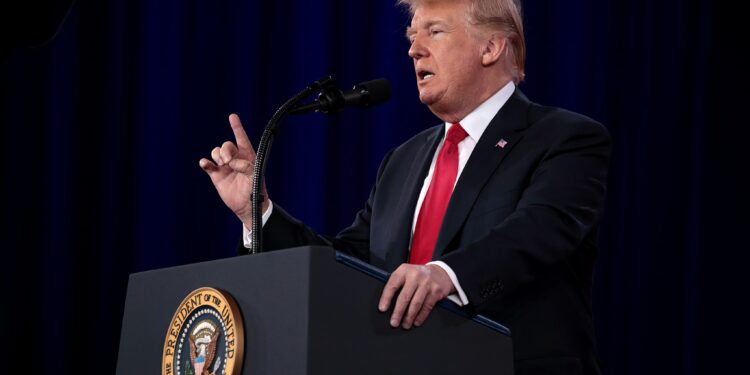
The Trump administration is preparing a far-reaching overhaul of the U.S. immigration system, signaling that 2026 will bring some of the most significant changes in decades. Through executive action and regulatory reforms, the administration is moving to tighten legal entry standards, narrow asylum eligibility, and increase oversight of work visas, green cards, and refugee admissions.
Officials say the goal is straightforward: restore order, prioritize American workers, and strengthen national security after years of what they describe as weak enforcement and administrative drift.
Sweeping Changes Already Underway
Throughout 2025, the White House, the Department of Homeland Security (DHS), and U.S. Citizenship and Immigration Services (USCIS) issued a series of executive orders and policy updates that—once finalized—will substantially change who can enter the United States, how long they can stay, and what it takes to become a permanent resident.
Unlike legislation passed by Congress, these changes are being implemented administratively, allowing the federal government to act quickly while legal challenges play out in court.
Higher Fees Starting in 2026
Beginning January 1, 2026, USCIS will implement inflation-based fee increases affecting asylum filings, parole requests, Temporary Protected Status (TPS) applications, and work authorization documents tied to those programs. Certain travel systems, including ESTA and EVUS, will also see cost increases.
Administration officials argue the fee updates are necessary to fund enforcement, improve processing times, and reduce taxpayer burden. Critics say the higher costs could discourage applications, but supporters view the move as a long-overdue modernization.
H-1B Visas Face Tougher Standards
High-skilled foreign worker programs—especially the H-1B visa—are coming under tighter scrutiny. New guidance calls for stricter qualification standards, expanded audits, and closer review of positions that may displace U.S. workers.
One proposal drawing attention is a new $100,000 fee on certain H-1B petitions, aimed at discouraging overuse of foreign labor while pushing employers to prioritize domestic hiring. While legal challenges are expected, administration officials maintain the policy aligns with the “America First” workforce agenda.
Federal agencies have already increased site inspections and documentation requests, slowing approvals and raising denial rates—even for renewals. Supporters say the changes restore credibility to a system long criticized for abuse.
Diversity Visa Program Suspended
The administration has also suspended the diversity visa lottery following a high-profile crime involving a recipient of the program. Officials argue the lottery lacks sufficient merit-based screening and poses unnecessary security risks.
The move signals a broader shift away from random selection toward immigration pathways tied to skills, investment, or clear national benefit.
Green Cards Will Be Harder to Obtain
USCIS has confirmed increased reviews of green-card applications involving nationals from 19 countries identified as higher-risk. Officers are now permitted to weigh country-specific factors more heavily when evaluating applications.
In addition, a revived “public charge” rule would give immigration officers broader discretion to consider whether applicants are likely to rely on public assistance—an approach supporters say protects taxpayers and strengthens self-sufficiency requirements.
Refugee Admissions Cut to Historic Low
For fiscal year 2026, the administration has capped refugee admissions at 7,500, the lowest level since the program began. Officials say the reduced number allows for more thorough vetting while ensuring resources remain focused on domestic priorities.
The decision reflects a broader emphasis on border control, internal enforcement, and measured humanitarian intake.
Expanded Travel Restrictions
New travel restrictions will take effect January 1, 2026, adding five countries to the fully restricted list and imposing partial limits on 15 others. Officials say the changes are based on security assessments, document integrity, and cooperation with U.S. authorities.
The policy builds on earlier restrictions introduced in 2025 and is intended to strengthen entry screening during a period of heightened global instability.
Work Authorization Tightened
USCIS is also ending automatic extensions for many employment authorization documents and shortening validity periods from five years to 18 months. Combined with longer processing times, the changes may temporarily affect workforce availability in some sectors.
Administration officials argue the reforms reduce fraud and bring work authorization back under tighter regulatory control.
Deportation Courts Expand Staffing
To reduce a massive immigration court backlog, the Department of Justice is recruiting additional immigration judges, offering competitive salaries and expanded eligibility. Supporters say the effort will accelerate case resolution and restore credibility to the enforcement process.
The $1 Million “Gold Card” Visa
Alongside tighter controls, the administration has introduced a $1 million “Gold Card” visa, offering a path to permanent residence for wealthy investors who meet strict financial and background requirements.
Officials describe the program as a merit-based alternative that rewards investment and economic contribution while maintaining firm enforcement elsewhere.
What This Means Going Forward
The Trump administration’s immigration strategy for 2026 reflects a clear shift toward enforcement, self-sufficiency, and national interest standards. While legal challenges are expected, the direction is unmistakable: fewer loopholes, higher thresholds, and stricter oversight across the system.
For immigrants, employers, and families alike, the message is clear—the rules are changing, and compliance will matter more than ever.