
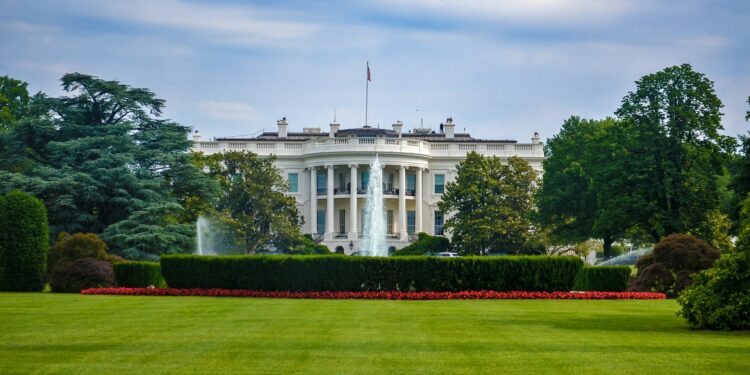
A growing legal battle over President Donald Trump’s White House renovation is raising serious concerns—not just about politics, but about national security at the highest level.
The Trump administration is now warning that a judge’s sudden decision to halt construction on a new White House ballroom could leave sensitive, partially completed security infrastructure exposed, putting the president and his staff at risk.
DOJ Sounds Alarm: “Time Is of the Essence”
In an urgent court filing, Justice Department lawyers made it clear: stopping construction now is not just inconvenient—it’s potentially dangerous.
Officials revealed that the project already includes deep excavation zones and reinforced structural foundations tied to high-level security features. These are not ordinary construction elements—they are part of a carefully designed system meant to protect the White House from modern threats.
The administration warned that leaving the site unfinished could expose critical materials, including blast-resistant glass, fortified steel, and advanced anti-drone roofing systems, to both environmental damage and security vulnerabilities.
Their message to the court was direct: this cannot wait.
Court Ruling Triggers Major Showdown
The controversy began when U.S. District Judge Richard Leon ordered construction to stop, arguing that congressional approval was required before continuing the project.
But the Trump administration strongly disagrees, calling the ruling “unprecedented” and “legally flawed.”
According to government attorneys, presidents have long held the authority to upgrade and secure the White House—especially when it comes to protecting national leadership.
They also pointed out a key contradiction: even the judge acknowledged that work tied to security can continue—yet still blocked the broader project.
Zero Taxpayer Dollars—So Why the Block?
Another major point of contention: this project is not funded by taxpayers.
Nearly $400 million in private donations has already been committed to the ballroom, with materials purchased and construction well underway.
Halting the project now, officials argue, risks not only security—but also massive financial waste.
For many supporters, the question is simple:
If taxpayers aren’t paying for it—and it improves security—why stop it?
Critics Push Back—But DOJ Fires Back Harder
Preservation groups, including the National Trust for Historic Preservation, claim the administration bypassed proper procedures and overstepped its authority.
But the Justice Department dismissed those claims as “baseless”, arguing that the lawsuit is driven more by opinion than law.
In a sharp response, government lawyers suggested the court is interfering in matters that fall squarely under presidential authority—especially when national security is involved.
Trump Responds: “A Project Long Overdue”
President Trump has made it clear he sees the ballroom as more than just an upgrade—it’s a long-overdue improvement that past presidents wanted but never completed.
He recently praised officials who approved the project, calling the ballroom a “beautiful and necessary addition” to the White House.
At the same time, Trump has blasted what he describes as activist judges blocking progress, arguing that similar renovations in the past never required congressional approval.
What Happens Next Could Set a Major Precedent
The administration is now asking a higher court to step in immediately and allow construction to resume before further risks develop.
The outcome could have far-reaching consequences—not just for this project, but for presidential authority, national security decisions, and future White House renovations.