
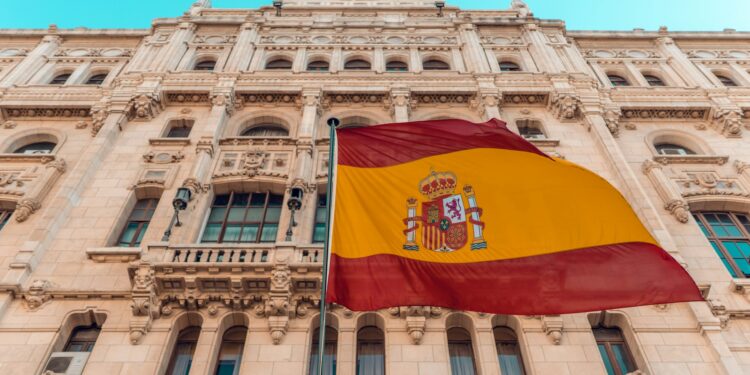
A shocking decision by Spain is raising eyebrows in Washington—and fueling new concerns about whether America’s allies are truly standing with President Donald Trump during a critical global showdown.
In a move many are calling a direct insult to U.S. leadership, Spain has announced it will reopen its embassy in Tehran, signaling renewed cooperation with Iran at the very moment America is working to contain the regime.
Spain Reopens Embassy—At the Worst Possible Time
Spanish Foreign Minister José Manuel Albares confirmed the decision, saying the goal is to support “peace efforts” from inside Iran.
But critics argue the timing couldn’t be worse.
The announcement comes just days after a fragile U.S.-Iran ceasefire, raising serious questions about whether Spain is undermining American leverage in the region.
For many Americans, especially those who remember decades of instability tied to Iran, the move looks less like diplomacy—and more like appeasement.
Ceasefire Already Showing Cracks
Despite the temporary ceasefire, violence in the Middle East is far from over.
Israeli strikes have continued in Lebanon, targeting key figures tied to Hezbollah leadership. Vice President JD Vance indicated earlier that Israel had agreed to scale back operations—but events on the ground suggest the situation remains volatile.
This raises a critical question: Why are European allies easing pressure on Iran now?
NATO Allies Refuse to Back the United States
Spain’s move is just part of a broader pattern.
Several NATO countries—including France and United Kingdom—have reportedly declined to support U.S. military operations or allow the use of key bases.
For American taxpayers, that’s a bitter pill to swallow.
The United States continues to fund a large portion of NATO’s defense—yet when leadership is needed most, some allies appear to be stepping back.
Trump Signals Major Consequences
President Trump has made it clear: this kind of behavior won’t go unanswered.
Behind the scenes, the administration is reportedly considering major changes to America’s role in NATO, including the possibility of reducing troop levels in countries that refused to assist U.S. operations.
White House Press Secretary Karoline Leavitt confirmed that NATO commitments are under active review.
Her message was blunt: it’s “deeply disappointing” that allies turned their backs on the American people during a time of crisis.
Tense Meeting With NATO Leadership
The issue came to a head as NATO Secretary-General Mark Rutte met with U.S. officials in Washington.
According to officials, the discussions were “frank”—a diplomatic way of saying tensions are rising behind closed doors.
At stake is more than just policy—it’s the future of the NATO alliance itself.
America First—or Alliance Breakdown?
President Trump has long argued that NATO must be fair to American taxpayers. This latest standoff may prove to be a turning point.
If allies continue to resist supporting U.S. leadership, the consequences could reshape global alliances for years to come.
For millions of Americans—especially those who value strength, security, and accountability—the message is simple:
America should not carry the world alone.