
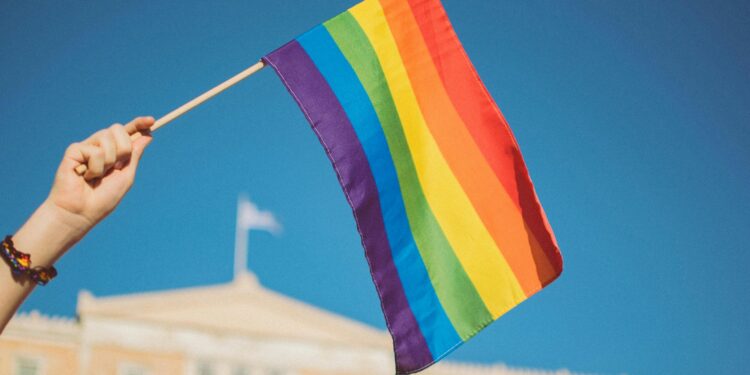
In a move that’s raising eyebrows across the country, the administration of Donald Trump has agreed to a legal settlement allowing the Pride flag to return to Stonewall National Monument in New York City.
The decision marks a sharp shift after federal officials previously removed the flag earlier this year, citing longstanding rules about which flags are permitted on government property.
Why This Decision Is Turning Heads
For many Americans—especially conservatives—this sudden reversal raises an obvious question: What changed?
Initially, federal workers removed the Pride flag in February, explaining that only officially authorized flags could be flown on government-owned flagpoles. That move was seen by supporters as a return to standard protocol and respect for federal guidelines.
But after facing a lawsuit from activist groups, the administration chose to settle instead of continuing the legal fight.
What the Settlement Actually Does
Under the agreement, three flags will now be allowed to fly side-by-side at the historic site:
- The American flag
- The rainbow Pride flag
- A National Park Service flag
The flags must all be the same size, according to the court filing.
Even more notably, the government agreed it will not attempt to remove the Pride flag again in the future, except for basic maintenance or practical concerns.
Legal Pressure—or Political Calculation?
The lawsuit, filed by several nonprofit organizations, accused the federal government of unfairly targeting a symbol associated with the LGBTQ movement.
Rather than risk a prolonged courtroom battle—and potential unfavorable rulings—federal attorneys opted to settle.
For many observers, this raises concerns about a broader pattern in Washington:
Are legal challenges increasingly being used to force policy changes?
A Shift From Earlier Trump-Era Priorities
This move stands in contrast to earlier efforts by the Trump administration to keep federal policy focused on traditional standards rather than cultural or identity-based issues.
That’s why this decision is catching attention—not just from critics, but also from longtime supporters who have backed Trump’s emphasis on law, order, and clear federal guidelines.
What Happens Next
The settlement is not final just yet. A federal judge must still approve the agreement before it officially takes effect.
However, unless something changes, the Pride flag appears set to return to one of the most well-known landmarks tied to the gay rights movement.
Why This Story Matters
At its core, this isn’t just about a flag.
It’s about:
- How federal rules are enforced
- Whether activist lawsuits are shaping policy
- And how far the government should go in responding to cultural pressure
For many Americans, those questions matter far beyond one monument in New York.
Final Takeaway
This unexpected reversal shows that even in a strong administration, legal pressure can influence outcomes.
The bigger question now is: Will this remain a one-time decision—or signal a broader shift?