
Russia is throwing its support behind Cuba as President Donald Trump increases pressure on the island’s communist government, creating a new international challenge for the White House.
Russian officials announced Thursday that Moscow would continue backing Cuba economically and politically while criticizing U.S. sanctions and diplomatic pressure aimed at Havana.
Russian Foreign Ministry spokeswoman Maria Zakharova said Russia stands in “full solidarity” with Cuba and would continue offering assistance during what she called a difficult period for the island nation.
Her comments come as Cuba struggles with worsening fuel shortages, economic instability, and widespread power outages that have affected daily life across the country.
Cuba Facing Severe Economic Struggles
Cuba’s economy has been under intense strain for months, with shortages of fuel and electricity becoming increasingly common. In some areas, residents have reportedly dealt with lengthy rolling blackouts as the government struggles to maintain its aging energy infrastructure.
The country has historically relied heavily on oil imports from Venezuela, but those supplies have become far less reliable in recent months amid growing instability in the region and increased U.S. sanctions pressure.
Cuban Energy Minister Vicente de la O Levy recently acknowledged that the country’s fuel reserves were critically low after a major oil shipment tied to Russia had been depleted.
The worsening crisis has fueled concerns that Cuba’s economy could face even greater hardship if additional sanctions are imposed.
Trump Administration Expands Pressure Campaign
President Trump has taken a tougher stance toward Cuba than many previous administrations, arguing that strong economic pressure is necessary to counter communist influence near America’s borders.
The administration has recently announced additional sanctions targeting Cuban officials and organizations linked to the government’s security operations.
Trump officials have also raised concerns about Cuba’s growing relationships with nations such as Russia, Iran, and Venezuela, warning that foreign adversaries should not be allowed to expand influence in the Western Hemisphere.
The situation intensified further after federal prosecutors announced criminal charges against former Cuban leader Raúl Castro and several associates tied to longstanding allegations connected to the 1996 shootdown of civilian aircraft.
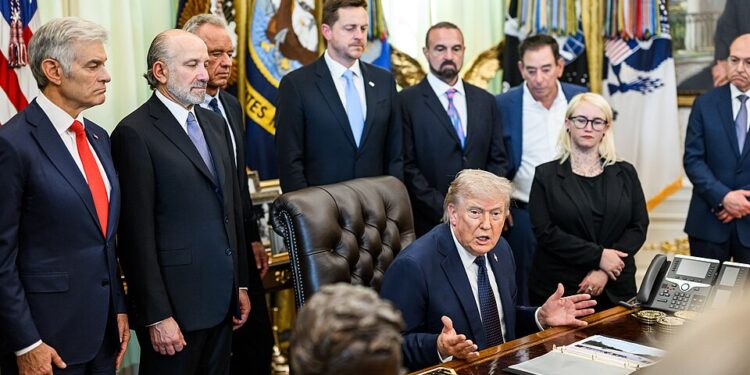
While speaking to reporters at the White House, President Trump indicated that Cuba remains a major concern for his administration.
“We have Cuba on our mind,” Trump said, while also signaling that he does not believe further escalation is necessary at this time.
Russia Criticizes U.S. Strategy
Russian officials strongly condemned the Trump administration’s sanctions campaign, accusing Washington of attempting to tighten economic pressure on the Cuban government.
Zakharova described the U.S. approach as an effort to interfere in the affairs of another sovereign nation and argued that Russia would continue supporting Cuba despite growing tensions between Washington and Havana.
The renewed partnership between Russia and Cuba is drawing attention from foreign policy experts who view the development as another sign of increasing global competition between major powers.
For many conservatives, the situation also highlights broader concerns about hostile governments expanding their influence close to American territory while the United States works to protect its national security interests.
Growing Tensions Put Spotlight On U.S.-Cuba Relations
The latest developments suggest that relations between the United States and Cuba may continue to deteriorate in the months ahead.
With Cuba facing mounting economic troubles, Russia increasing its support, and the Trump administration maintaining a hardline stance, the situation is likely to remain a major international issue moving forward.
Political observers say the outcome could have significant implications not only for Cuba’s future, but also for America’s broader strategy toward communist governments and foreign adversaries operating near U.S. borders.