

Yes
I do.
No
I don’t.
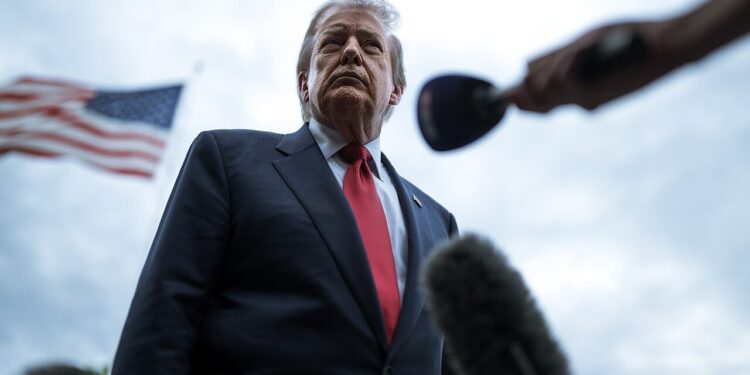
A fresh political controversy erupted after President Joe Biden’s son publicly criticized President Donald Trump, reportedly calling him a “fake patriot.” The remarks quickly drew reactions from both supporters and critics as political tensions remain high heading into another contentious election cycle.
Supporters of Trump argue that his record demonstrates a strong commitment to American interests through policies focused on border security, energy independence, military funding, and economic growth. They point to his “America First” agenda as evidence that patriotism can be measured by actions taken to strengthen the country and protect its citizens.
Critics, meanwhile, argue that patriotism involves more than policy positions and often point to disagreements over leadership style, rhetoric, and governance. The latest comments have fueled another round of partisan debate over who best represents American values and national interests.
The exchange also highlights how political disagreements increasingly extend beyond elected officials and into their families, adding another layer of drama to an already polarized political environment. For many voters, however, the focus remains less on personal attacks and more on policy outcomes that affect everyday life, including inflation, border security, crime, healthcare, and the economy.
As Americans evaluate competing visions for the country’s future, disagreements over patriotism and national identity continue to play a major role in public discourse.