

Yes
They should.
No
They shouldn’t.
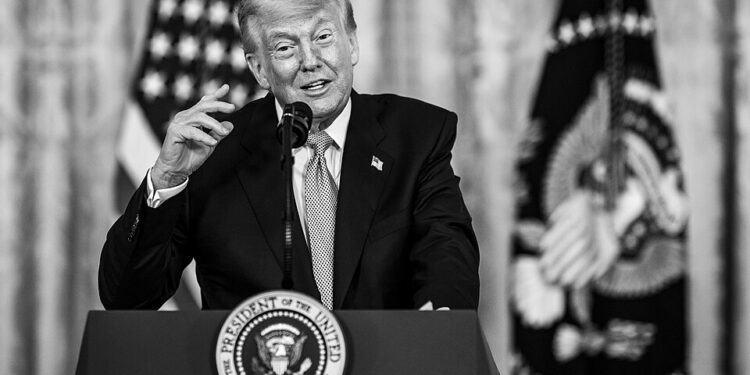
Endorsements have long played a major role in American politics, helping candidates gain visibility, fundraising support, and credibility among voters. Within the Republican Party, endorsements from President Donald Trump continue to carry significant influence in many primary elections across the country.
Supporters of Trump’s endorsements argue that Republican governors should support candidates endorsed by the party’s most prominent national figure. They believe party unity strengthens Republican chances in general elections and helps advance a shared policy agenda on issues such as border security, economic growth, energy independence, and government reform.
Others believe governors should maintain their independence when evaluating candidates. They argue that state leaders often have unique knowledge of local issues and may support candidates they believe are best suited to represent their states, regardless of national endorsements. Some political strategists also contend that healthy debate within a party can strengthen candidate quality and encourage broader voter engagement.
Historically, disagreements between national and state-level political leaders have occurred in both major parties. Governors frequently balance loyalty to party leadership with their own political priorities, constituencies, and governing responsibilities.
As Republicans prepare for future elections, questions about party unity and local autonomy continue to generate discussion among voters. The debate reflects broader issues about leadership, political influence, and how parties should select candidates in competitive races.
Ultimately, voters will decide whether endorsements should serve as guidance, recommendations, or signals that party leaders should rally behind a particular candidate.