

Yes
He is.
No
He isn’t.
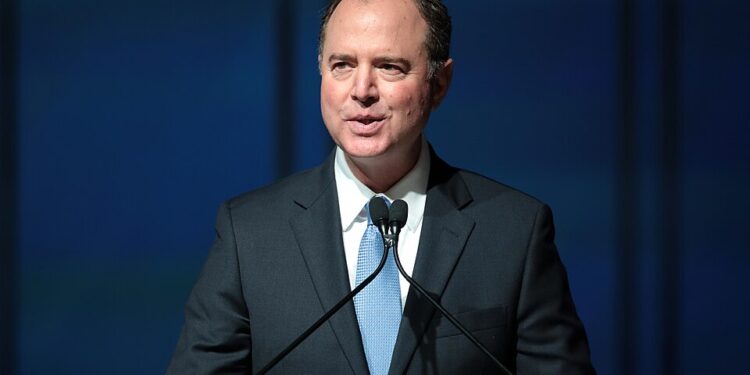
A new political debate has emerged after comments from Democratic leaders, including Senator Adam Schiff, who argue that some of President Donald Trump’s policies could have negative economic effects on traditionally Republican-led states.
Critics claim that federal policy decisions involving trade, tariffs, government spending, labor markets, and economic development could place additional pressure on certain industries that are especially important in many red states. Agriculture, manufacturing, energy production, transportation, and small businesses are often at the center of these discussions.
Supporters of Trump strongly disagree with that assessment. They point to economic growth, job creation efforts, energy development, deregulation, and tax policies that they believe have helped businesses expand and create opportunities in both rural and urban communities. Many Republicans argue that Trump’s policies are designed to strengthen American competitiveness and reduce dependence on foreign countries.
The disagreement highlights a larger question about how economic success should be measured. Some analysts focus on employment levels, wages, and investment activity. Others emphasize household costs, inflation, housing affordability, and long-term economic stability.
Red states themselves are far from identical. Some have experienced rapid population growth and business investment in recent years, while others continue to face challenges involving infrastructure, workforce development, healthcare access, and economic diversification. Because economic conditions vary widely from state to state, many voters reach different conclusions about the impact of federal policies.
Political leaders from both parties continue to debate whether national economic policies are helping or hurting local communities. The outcome of that debate could play a major role in future elections as voters assess their own financial situations and the direction of the economy.