

Yes
She is.
No
She isn’t.
Italian Prime Minister Giorgia Meloni remains one of Europe’s most closely watched political leaders, but recent discussions about her approval ratings have sparked debate over who deserves credit—or blame—for shifts in public opinion.
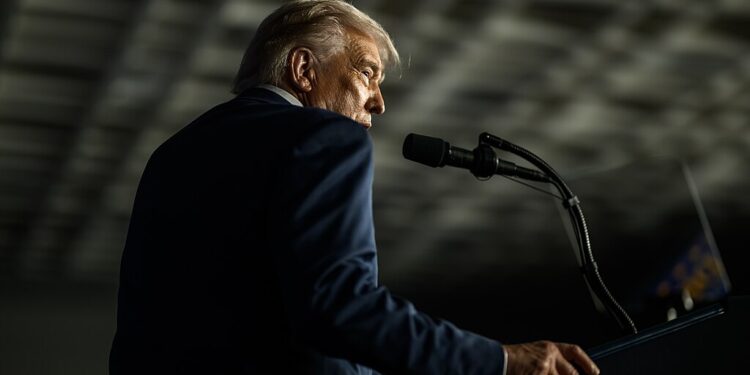
Some political observers have suggested that international political developments, including President Donald Trump’s return to the White House, have influenced political conversations across Europe. Others argue that domestic issues within Italy are far more important factors in determining Meloni’s popularity.
Supporters of the view that Trump has influenced European politics point to debates over trade, defense spending, immigration, economic policy, and international alliances. Because the United States plays a major role in global affairs, decisions made in Washington can sometimes affect political discussions overseas.
However, critics argue that national leaders should primarily be judged on issues within their own countries. In Italy, voters continue to focus on inflation, economic growth, energy costs, government performance, public services, and immigration policies. Many analysts believe these domestic concerns have a much greater impact on approval ratings than events occurring abroad.
Political popularity can fluctuate for many reasons. Economic conditions, legislative successes, media coverage, global events, and public expectations often influence how voters view their leaders. As a result, determining exactly why approval ratings rise or fall can be difficult.
The debate also reflects a broader question about political accountability. Should leaders be held responsible for challenges within their own countries, or can international events and foreign political figures significantly shape public opinion?
As discussions continue, voters and political observers remain divided on how much influence foreign leaders have on domestic politics.