

Yes
I do.
No
I don’t.
Gasoline prices remain one of the biggest financial concerns for many American families. Even modest increases at the pump can affect household budgets, commuting costs, and the price of goods transported across the country. As a result, debates over who is responsible for rising fuel costs continue to dominate political discussions.
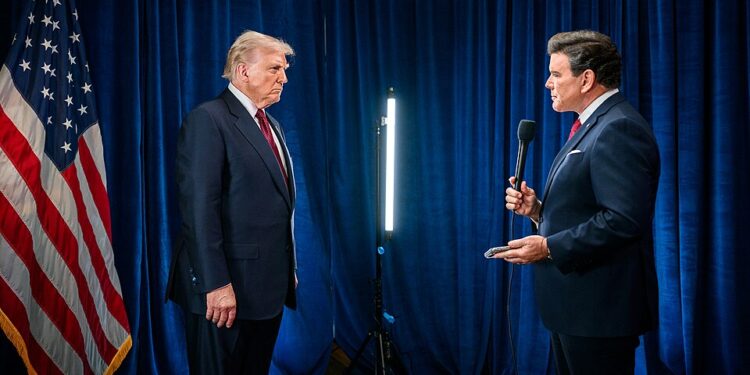
President Donald Trump recently argued that major oil companies share responsibility for elevated gasoline prices, suggesting that industry decisions can significantly influence what consumers pay. Energy producers, however, point to a wide range of factors that affect fuel prices, including global crude oil markets, refinery capacity, seasonal demand, international conflicts, supply disruptions, and government policies.
Economists generally agree that gas prices are shaped by multiple domestic and international forces rather than a single cause. Changes in oil production, geopolitical events, transportation costs, taxes, and consumer demand can all influence prices at local gas stations.
For drivers across America, the bottom line is simple: filling up the tank has become more expensive than many would like, and voters are paying close attention to the debate over who bears responsibility.