

Yes
He should.
No
He shouldn’t.
One of the president’s most significant constitutional responsibilities is serving as Commander in Chief of the United States Armed Forces. That role gives the president broad authority over military leadership, including the power to nominate senior officers and, under many circumstances, remove military commanders.
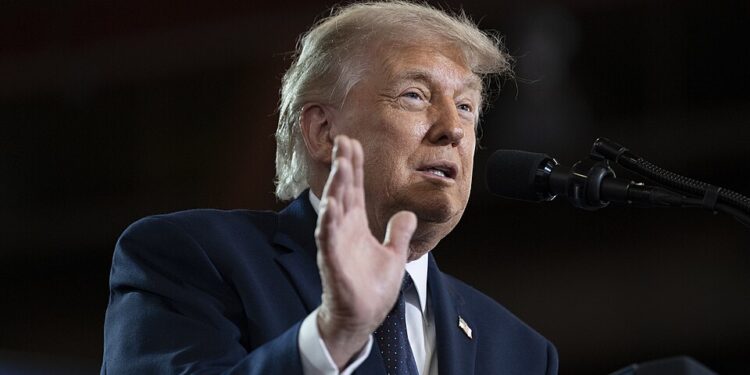
Supporters of President Donald Trump argue that every commander in chief should have the ability to replace military leaders who no longer share the administration’s priorities or who have lost the president’s confidence. They say accountability is essential and that elected leaders should have authority over the nation’s military leadership.
Critics, however, caution that removing senior military officers based primarily on personal disagreements or political differences could weaken military independence and potentially affect morale within the armed forces. They argue that leadership decisions should remain focused on performance, readiness, and national security rather than politics.
Throughout American history, presidents from both political parties have replaced military leaders during times of war, changing defense priorities, or disagreements over strategy. These decisions have often generated significant public debate, particularly when high-ranking generals are involved.
Legal experts generally agree that presidents possess broad authority over military leadership, although those decisions are frequently scrutinized by Congress, military officials, and the public.
The discussion raises broader questions about executive power, civilian control of the military, and how much discretion a president should exercise when selecting top commanders.
What is your opinion?