

Yes
I do.
No
I don’t.
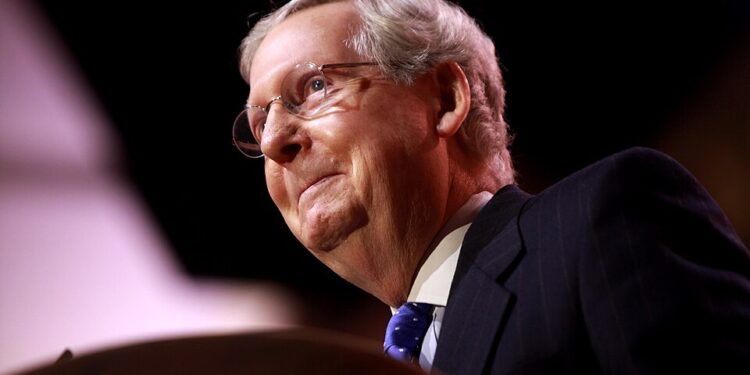
A close ally of President Donald Trump has accused former Senate Republican Leader Mitch McConnell of misleading the public about his health, reigniting debate over transparency among elected officials. The comments have fueled renewed discussion about whether public officials should provide more detailed information regarding their physical condition while serving in office.
Questions surrounding the health of senior political leaders have become increasingly common in recent years, with Americans expressing interest in knowing whether elected officials are capable of carrying out the demanding responsibilities of their positions. Calls for greater transparency have crossed party lines and have involved leaders from both Republicans and Democrats.
Supporters of McConnell argue that personal medical matters deserve a level of privacy and that speculation should be avoided unless supported by verified medical information. Others believe that individuals serving in high-ranking government positions have a responsibility to provide voters with clear and accurate updates about any health issues that could affect their ability to perform their duties.
The latest criticism also reflects the continuing divide within the Republican Party between supporters of President Trump and Republicans aligned with the party’s more traditional leadership. Political disagreements between Trump and McConnell have continued for years over judicial nominations, Senate strategy, and legislative priorities.
As health and age remain important issues in American politics, many voters are weighing how much information elected officials should disclose and whether greater transparency would improve public trust.