
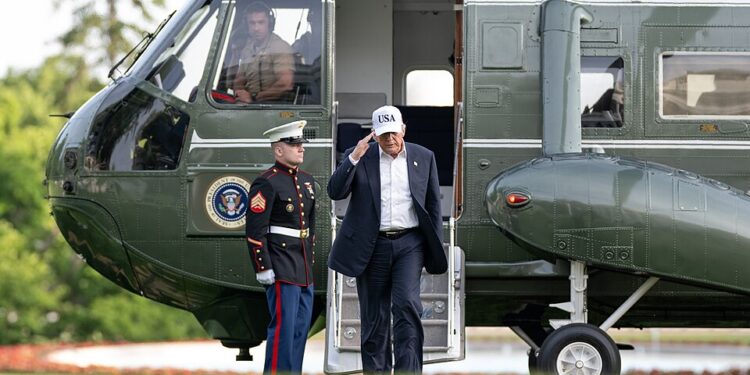
As Republicans prepare for the 2026 midterm elections, the ongoing conflict with Iran is creating new political questions for President Donald Trump and GOP candidates across the country. While Republicans continue to support the administration’s national security objectives, new polling suggests concerns over rising prices and a prolonged military conflict could affect voter enthusiasm in key races.
Political analysts say the economy remains the top issue for many voters, meaning any sustained increase in gas prices or inflation could become a major campaign issue over the coming months.
Key Takeaways
- New polling suggests support for the Iran conflict declines when voters expect higher prices.
- Rising oil and gasoline prices are renewing concerns about inflation.
- Republicans argue President Trump retains strong support among his political base.
- Democrats hope to make the conflict a central issue during the 2026 midterm campaign.
- The White House says national security—not polling—continues to guide the president’s decisions.
New Poll Raises Questions About Republican Enthusiasm
A new Politico poll published this week found that support for continued military operations against Iran falls when respondents are told the conflict could increase everyday costs.
Among Trump supporters, 37% said they would continue backing the military campaign if it resulted in higher prices, down from 50% in May.
The results do not necessarily indicate Republicans oppose the administration’s broader national security goals. Instead, they highlight how closely voters continue to connect foreign policy decisions with their personal finances.
With control of Congress at stake this November, both parties are paying close attention to shifts in voter sentiment.
Rising Gas Prices Put Economy Back In The Spotlight
One of the biggest concerns surrounding the conflict is its potential impact on the U.S. economy.
Oil prices climbed after Iran-backed Houthi forces in Yemen threatened shipping routes through the Red Sea, fueling concerns about global energy supplies.
According to AAA, the national average price for gasoline has climbed above $4 per gallon, reversing several months of improvement.
Higher fuel prices often affect nearly every part of the economy by increasing transportation costs, shipping expenses, and consumer prices.
For many Americans, inflation remains one of the most important issues heading into the midterm elections.
Inflation Could Become A Major Campaign Issue Again
Although inflation showed signs of slowing earlier this summer, economists warn that prolonged instability in the Middle East could push prices higher again.
Higher oil prices often translate into increased costs for:
- Gasoline
- Groceries
- Airline travel
- Manufacturing
- Consumer goods
- Home deliveries
If inflation accelerates in the months before Election Day, both political parties are expected to make the economy a central focus of their campaigns.
American Casualties Increase Pressure
The conflict has also resulted in American military casualties.
Recent Iranian attacks killed four U.S. service members. Three soldiers died after an Iranian strike on a U.S. base in Jordan, while another was killed during a drone operation in Iraq.
More than 400 American service members have reportedly been injured during the conflict, although administration officials say roughly 90% have already returned to duty.
The losses have intensified debate in Washington over the future direction of U.S. policy in the region.
Democrats Sharpen Their Criticism
Congressional Democrats have increased their criticism of the administration following the latest developments.
Rep. Sara Jacobs (D-Calif.) argued during a House hearing that the administration’s approach has made Americans less secure and questioned its handling of the conflict.
Democratic lawmakers have also continued pushing votes aimed at limiting the president’s military authority, hoping to highlight differences between vulnerable Republican candidates and swing-district voters.
Republicans Say Trump Still Has Strong Support
Despite the polling, many Republican strategists believe President Trump continues to enjoy deep loyalty among Republican voters.
Several GOP officials argue that Trump has built years of political trust with his supporters and that many voters continue backing his broader agenda, even when they disagree with individual policy decisions.
One Republican source close to the White House acknowledged that prolonged fighting could make turnout more challenging during a midterm election, when Trump himself is not on the ballot.
Republicans have historically seen stronger voter participation during presidential election years than in midterm contests.
Some Republicans Want A Tougher Military Response
Not all Republicans agree on how the conflict should be handled moving forward.
Some lawmakers believe the administration should increase military pressure on Iran in hopes of bringing the conflict to a quicker conclusion.
Former House Foreign Affairs Committee Chairman Michael McCaul argued that stronger military action could encourage Iran to return to negotiations sooner rather than later.
Others continue urging caution, warning against any conflict that could become a lengthy military commitment.
Congress Remains Divided
The disagreement extends throughout Congress.
House Democrats recently passed a war powers resolution intended to limit the administration’s military authority with support from four Republican lawmakers representing competitive districts.
Although a similar effort failed to advance in the Senate, Democrats are expected to continue highlighting the issue throughout the campaign season.
Political strategists say votes involving military action often become campaign advertisements in closely contested congressional races.
White House Defends The President’s Approach
The White House maintains that President Trump is making decisions based on America’s long-term security interests rather than short-term polling.
Administration officials continue emphasizing that preventing Iran from obtaining a nuclear weapon remains a top priority.
Republican National Committee officials echoed that message, saying Trump’s long-standing “Peace Through Strength” approach continues to resonate with many voters concerned about national security.
Ground Troops Remain A Sensitive Topic
While Republicans remain divided over military strategy, one issue appears to generate broad concern inside the party.
Several Republican strategists believe deploying large numbers of American ground troops into Iran could significantly reduce support among portions of Trump’s political coalition.
Many conservative voters have consistently supported a strong military while also expressing caution about long-term overseas conflicts involving large U.S. troop deployments.
At this time, the administration has not announced plans for a large-scale ground deployment.
Negotiations Continue Despite Ongoing Fighting
Military operations have continued alongside diplomatic efforts.
President Trump recently said Iranian officials remain interested in negotiations but have not yet agreed to terms for a broader agreement involving Iran’s nuclear program and regional security issues.
Reports have also indicated that U.S. intelligence agencies believe Tehran may continue resisting additional military pressure rather than making immediate concessions.
Whether diplomacy ultimately succeeds or the conflict expands further could shape both American foreign policy and the political debate leading into the 2026 elections.
Frequently Asked Questions
Why is the Iran conflict becoming a political issue?
The conflict has raised concerns about rising fuel prices, inflation, and the possibility of a prolonged military engagement, all of which could influence voter priorities ahead of the midterm elections.
What did the latest poll find?
The survey found that support for continued military action declines among some respondents when higher consumer prices are part of the scenario.
How are Republicans responding?
Many Republicans argue President Trump continues to have strong support among his political base and say national security remains a top priority.
What are Democrats focusing on?
Democrats have criticized the administration’s handling of the conflict and are attempting to make military policy and economic concerns key campaign issues.
What happens next?
The outcome of negotiations with Iran, future military developments, and economic conditions—particularly inflation and gas prices—are likely to remain closely watched as the midterm elections approach.
Bottom Line
The conflict with Iran has introduced a new variable into an already competitive midterm election cycle. While Republicans remain confident in President Trump’s leadership on national security, polls suggest voters continue placing significant weight on the economy, inflation, and energy prices. How those issues evolve in the months ahead could influence both congressional races and the broader political landscape leading into the 2026 midterm elections.