

Yes
He is.
No
He isn’t.
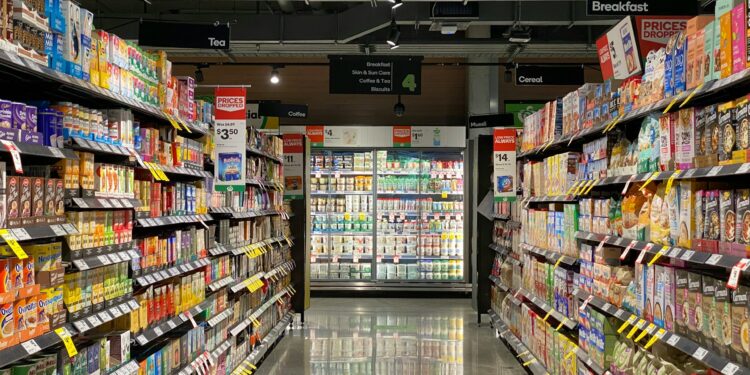
A growing number of Americans say they’re cutting back on fresh fruits and vegetables as grocery prices continue to strain household budgets. According to a recent survey, roughly 40 percent of consumers report buying less produce than they did in the past, raising fresh concerns about inflation and the rising cost of living.
Food prices have remained a major issue for families across the country, even as overall inflation has slowed from its previous highs. Many shoppers say they’re making difficult choices at the grocery store by purchasing fewer fresh items, switching to frozen alternatives, or simply buying less food altogether in an effort to stretch their budgets.
Supporters of President Donald Trump argue that today’s economic challenges stem from years of inflation, government spending, and supply chain disruptions that began before he returned to the White House. They say it takes time for any administration to reverse long-term economic trends and that the president deserves time to implement his policies.
Others believe the president ultimately bears responsibility for the economy because the White House influences trade, energy, taxes, and overall economic policy. Critics argue that if Americans are still struggling to afford everyday necessities, the administration should be held accountable regardless of when the problems began.
The debate reflects a broader question about who deserves credit—or blame—for economic conditions affecting millions of households. While economists point to numerous factors that influence food prices, many voters focus on the leadership currently in office.
As grocery costs remain one of the top concerns for American families, opinions continue to differ over how much responsibility belongs with President Trump.