

Yes
I do.
No
I don’t.
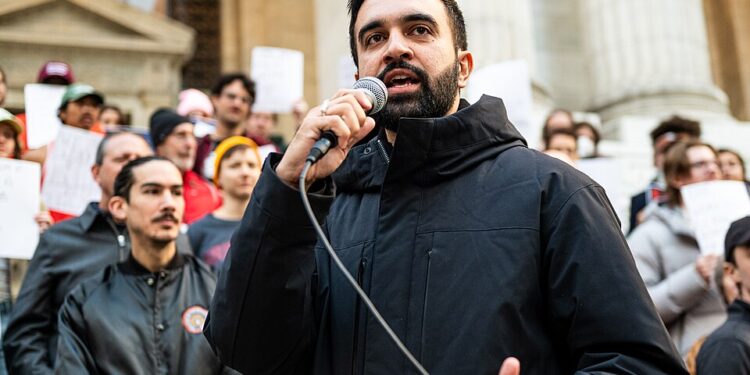
New York City Mayor Zohran Mamdani has renewed debate over reparations after backing proposals that would provide financial compensation to address the legacy of slavery and historical discrimination. Supporters argue that reparations could help reduce long-standing economic disparities and acknowledge injustices that have affected generations of Americans. Critics, however, believe taxpayer dollars should not be used for payments tied to actions that occurred many decades ago, arguing that the focus should instead be on expanding economic opportunity through education, job creation, and business growth.
As President Donald Trump continues to prioritize economic growth, border security, and reducing government spending, proposals for taxpayer-funded reparations are expected to remain a major political issue nationwide. Many conservatives argue that the federal government should focus on lowering inflation, reducing the national debt, strengthening the economy, and securing the border before considering new spending initiatives. Others believe the nation should continue discussing its history, even if they oppose direct financial compensation.
Mayor Mamdani’s support for reparations is also likely to fuel broader discussions beyond New York City, as similar proposals have surfaced in other states and local governments. The issue remains deeply divisive, with public opinion differing based on political affiliation, age, and personal views about the role of government.
Whether reparations should become public policy continues to spark passionate debate across the country. The discussion touches on history, fairness, economics, and the proper use of taxpayer funds. As elected officials continue to weigh in and voters prepare for future elections, reparations are expected to remain one of the nation’s most closely watched political issues.