

Yes
I do.
No
I don’t.
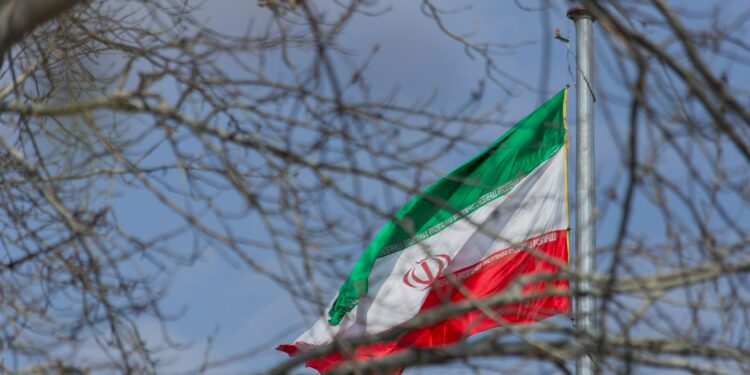
Foreign policy has once again become a major political issue following renewed tensions involving Iran. Some Democratic lawmakers have argued that President Donald Trump has become “trapped” by the ongoing conflict, claiming recent developments have made it more difficult for the administration to avoid deeper military involvement in the region.
The Trump administration rejects those claims, maintaining that its strategy is focused on protecting American interests, deterring aggression, and preventing Iran from threatening U.S. forces or allies. White House officials have emphasized that the president’s goal remains peace through strength while ensuring the United States responds decisively to any attacks against American personnel or strategic interests.
Supporters of President Trump argue that maintaining a firm military posture helps discourage hostile actions and strengthens America’s position in international negotiations. They believe a strong response can prevent larger conflicts by demonstrating that the United States will defend itself and its allies when necessary.
Critics, however, warn that continued military pressure could increase regional instability and raise the risk of a prolonged confrontation. Some believe greater diplomatic engagement would better serve long-term American interests and reduce the likelihood of escalation.
National security experts remain divided over the best path forward, making foreign policy one of the most closely watched issues facing the administration. The debate highlights the difficult balance between maintaining military readiness and pursuing diplomatic solutions in an increasingly complex global environment.