

Yes
He should.
No
He shouldn’t.
President Donald Trump’s push to eliminate federal income taxes on qualifying tips has brought renewed attention to an issue affecting millions of Americans who depend on tipped income to make ends meet.
Restaurant servers, bartenders and other tipped employees can earn a significant portion of their income through gratuities. For those workers, the amount ultimately left in their pockets after taxes can make a meaningful difference to their household budgets.
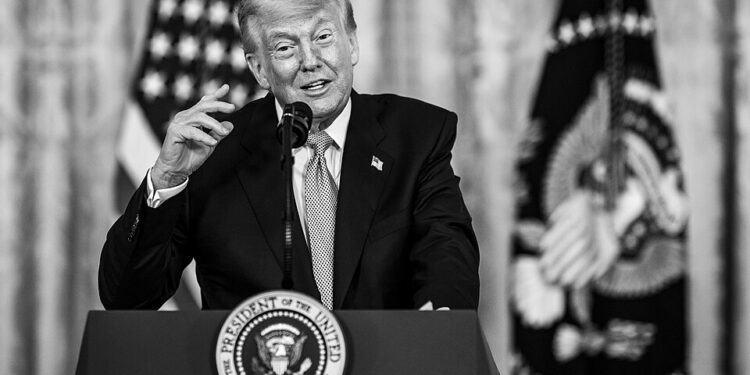
Trump made “No Tax on Tips” a major economic promise, arguing that workers who depend on gratuities should be allowed to keep more of the money customers voluntarily give them.
The policy has proved politically appealing, but there is an important complication: federal and state taxes are not the same thing.
Changes to federal tax law do not necessarily mean that every state must provide identical treatment under its own income-tax system. States have their own tax codes, and their policies can differ considerably from federal rules.
That creates a larger debate over how far Washington should go in encouraging states to follow Trump’s tax agenda.
Supporters of broader tax relief may argue that a tipped worker should receive similar benefits regardless of where he or she lives. From that perspective, workers could question why someone in one state receives more favorable treatment than a comparable worker somewhere else.
There is another side to the argument.
States have traditionally maintained considerable authority over their own tax policies. Critics of federal pressure could argue that Washington should not punish states simply because their elected officials choose a different approach to taxation.
There are practical considerations as well. State governments depend on tax revenue to pay for roads, schools, law enforcement and other public services. Eliminating taxes on certain forms of income can require lawmakers to reduce spending, increase revenue elsewhere or accept lower tax collections.
The debate therefore goes beyond whether Americans support Trump’s popular No Tax on Tips policy.
It also raises a fundamental question about federalism and the proper division of power between Washington and state governments.
Should states be allowed to make their own decisions even when those decisions conflict with Trump’s economic agenda? Or should the federal government use its influence to encourage states to provide tipped employees with similar tax relief?
Should President Trump take action against states that refuse to provide comparable state-level tax relief on qualifying tips?