

Yes
I do.
No
I don’t.
President Donald Trump’s social media presence has long been one of the most recognizable features of his political style. Rather than relying exclusively on traditional speeches, press conferences, and official statements, Trump frequently communicates directly with Americans online, where his posts can quickly become part of the national political conversation.
That approach includes everything from policy announcements and political commentary to humorous images, videos, and memes aimed at opponents or highlighting issues important to his supporters. Trump’s unconventional communication strategy has repeatedly generated strong reactions from both supporters and critics.
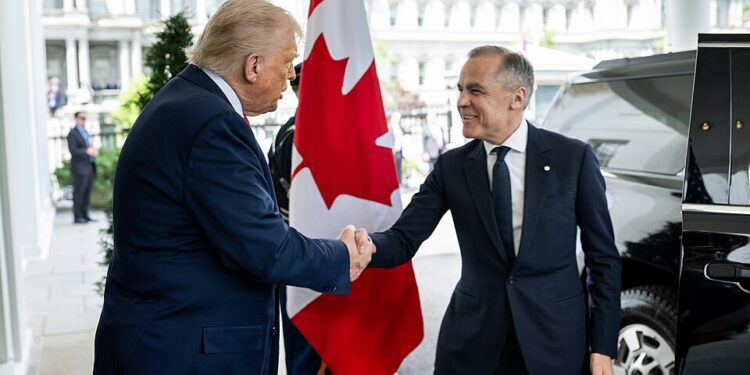
The latest debate comes amid renewed criticism of the administration’s social media tactics. Canadian Prime Minister Mark Carney recently publicly called on the Trump administration to “stop doing memes” during an escalating dispute between the United States and Canada.
More broadly, Trump remains at the center of American politics heading toward the November 2026 midterm elections. Republicans are relying heavily on the president to energize voters, while some members of the party have expressed concern about making the election too heavily focused on Trump personally.
That raises a larger question about presidential communication in the social-media era.
Supporters of Trump’s approach may argue that social media allows the president to communicate directly with millions of Americans without depending on television networks, newspapers, or political commentators to interpret his message first. Memes and short posts can also reach audiences who might never watch a lengthy presidential address.
Critics, however, may believe a president should communicate in a more traditional manner, particularly when dealing with serious domestic or international issues. They may argue that provocative or humorous posts can distract attention from policy debates or unnecessarily intensify political disagreements.
Presidents now have communication tools their predecessors could hardly have imagined. The question is whether Trump’s distinctive online style helps or hurts his ability to communicate with the American public.