

Yes
I do.
No
I don’t.
High fuel prices have once again become a major issue for American families, businesses and political leaders, and President Donald Trump is pointing to the ongoing Russia-Ukraine conflict as an important cause of the pressure on diesel markets.
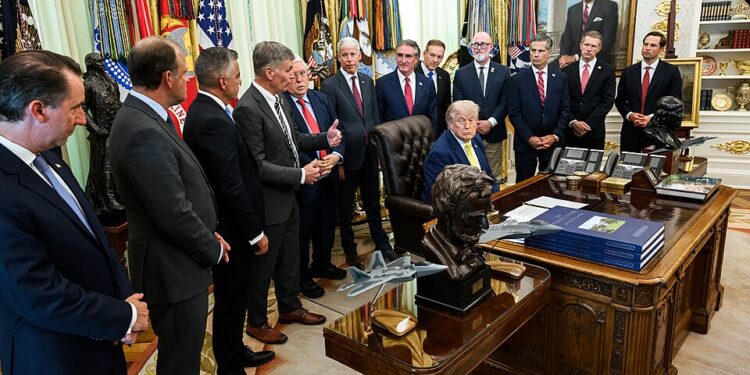
Trump recently urged Ukrainian President Volodymyr Zelenskyy to stop attacks on Russian diesel facilities. The president argued that strikes against Russian refineries were reducing available fuel supplies and contributing to higher diesel prices around the world.
“This isn’t done by the Middle East,” Trump said while discussing the shortage, instead pointing to what was happening between Russia and Ukraine. Reuters reported that the U.S. national average diesel price had climbed above $6 per gallon during the period in question.
However, the causes of higher energy prices are more complicated than any single conflict.
Reuters reported that wars involving both Iran and Ukraine have sharply reduced exports from major energy-producing countries, including Russia, Saudi Arabia and the United Arab Emirates. Russian refinery disruptions have contributed to tighter supplies, while turmoil in the Middle East has also affected global fuel markets.
That leaves voters with an important question about how much responsibility should be attributed to events overseas and how much responsibility belongs to domestic energy policy.
Presidents have limited control over the price Americans pay at the pump. Crude oil prices, refinery capacity, global supply, wars, sanctions, transportation costs, taxes and consumer demand can all influence prices.
Still, Americans traditionally hold presidents accountable for economic conditions, particularly when gasoline, diesel and grocery prices affect household budgets.
The issue has become especially important ahead of the November 2026 midterm elections. Republican candidates in several closely watched races have called for additional steps to reduce fuel costs, while Trump has also expressed support for considering restrictions on U.S. diesel exports.
So what do you think?