
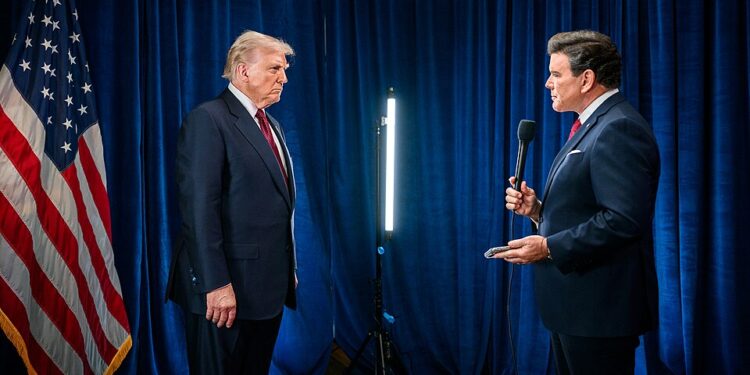
President Donald Trump is moving forward with a major overhaul of federal fuel economy standards, with his administration arguing that the changes will lower the cost of new vehicles, expand consumer choice and give American automakers more freedom to build the cars and trucks buyers actually want.
The Department of Transportation finalized the new Corporate Average Fuel Economy standards Monday as part of an initiative the administration calls “Freedom Means Affordable Cars.”
Transportation Secretary Sean Duffy said the new standards are designed to reduce regulatory costs for manufacturers while making newer vehicles more affordable for American families.
According to the Transportation Department, the rule is projected to reduce the average cost of a new vehicle by approximately $1,300 and produce an estimated $138 billion in savings over the next five years.
For families already dealing with high automobile prices, insurance costs, interest rates and gasoline expenses, those projections could make the change especially significant.
However, the ultimate savings experienced by individual drivers will depend on what automakers charge, which vehicles consumers purchase and how much they spend on fuel.
Trump Targets Biden-Era Auto Rules
Trump has repeatedly criticized the vehicle policies adopted during former President Joe Biden’s administration, arguing that Washington was putting too much pressure on automakers to transition toward electric vehicles.
In announcing the new standards, Trump said the previous approach added unnecessary costs to automobile production and limited the types of vehicles manufacturers could economically offer consumers.
The president said his administration wants Americans—not federal regulators—to have greater influence over what kinds of cars and trucks succeed in the marketplace.
Trump also argued that reducing regulatory expenses should make it easier for manufacturers to offer more affordable vehicles.
That message could resonate with drivers who have watched the price of new cars and trucks rise sharply over the past several years.
Administration Projects $1,300 Drop In New-Vehicle Costs
The most significant figure for car buyers is the administration’s estimate that the new standards could reduce the average cost of a new vehicle by approximately $1,300.
The Department of Transportation also projects that the rule will save Americans approximately $138 billion during the next five years.
Those numbers are projections rather than guaranteed price reductions.
Actual dealership prices are influenced by numerous factors, including labor costs, materials, tariffs, interest rates, supply chains, consumer demand and pricing decisions made by automobile manufacturers.
Still, the administration believes reducing the cost of complying with federal fuel-economy requirements will give manufacturers more room to lower prices.
New Fuel Economy Target Set For 2031
The finalized standards represent a substantial change in the direction of federal automobile policy.
NHTSA estimates the new requirements will correspond to an industrywide fleet average of approximately 34.9 miles per gallon by model year 2031.
For comparison, the Biden-era rules finalized in 2024 were projected to require roughly 50.4 mpg on an industrywide fleet basis by model year 2031.
The figures are regulatory fleet averages rather than a promise that every individual vehicle sold in 2031 will achieve those mileage numbers.
The Trump administration argues that the previous requirements depended too heavily on assumptions about electric-vehicle adoption and regulatory credits.
Federal transportation officials say the revised approach better reflects what gasoline, diesel and conventional hybrid vehicles can realistically achieve.
What Happened To The So-Called EV Mandate?
Trump and other Republicans have frequently referred to Biden-era automobile regulations as an electric vehicle mandate.
The previous rules did not directly require an individual consumer to purchase an electric vehicle.
Instead, they established increasingly stringent fleetwide efficiency requirements that encouraged manufacturers to sell more EVs and other highly efficient vehicles as part of their overall product mix.
Critics argued that this created a de facto government incentive for manufacturers to shift away from traditional gasoline-powered vehicles.
Supporters of the previous standards countered that tougher efficiency requirements would reduce gasoline consumption, lower emissions and decrease drivers’ long-term fuel expenses.
The new Trump administration rule significantly changes that approach by placing greater emphasis on vehicle purchase prices and manufacturer flexibility.
Trump Says American Auto Jobs Could Benefit
Trump is also presenting the policy as part of his broader effort to expand manufacturing inside the United States.
The president has pointed to major automotive states including Michigan, Ohio, Indiana and South Carolina, arguing that a less restrictive regulatory environment will encourage additional investment and production.
Trump said executives from General Motors, Ford and Stellantis have expressed interest in expanding manufacturing operations in the United States.
The administration believes giving manufacturers more freedom to determine their vehicle lineups could make domestic production more attractive.
For communities that depend heavily on auto factories and parts suppliers, changes in federal vehicle policy can have consequences far beyond the dealership showroom.
Manufacturing plants support thousands of direct jobs along with additional employment throughout local supply chains.
Consumer Choice Becomes Central Issue
One of the administration’s biggest arguments is that Americans should have access to a wider variety of vehicles without federal regulations heavily influencing which technologies automakers produce.
That could particularly matter to buyers who prefer traditional gasoline-powered cars, pickup trucks and SUVs.
The administration argues that increasingly difficult fuel-economy targets made some of those vehicles more expensive to manufacture.
Duffy has said federal policy should allow automakers to concentrate on producing vehicles that consumers actually want to purchase.
For older Americans, rural drivers and consumers who regularly travel long distances, vehicle range, towing capacity, repair availability and refueling convenience can all influence purchasing decisions.
Electric vehicles may work well for some households, while gasoline-powered vehicles, hybrids or trucks may make more sense for others.
The new policy is intended to give manufacturers greater flexibility to serve those different customers.
Critics Warn About Higher Gasoline Expenses
The biggest argument against loosening fuel-economy standards concerns what happens after a consumer leaves the dealership.
A vehicle with lower fuel efficiency generally requires more gasoline over its lifetime.
Environmental groups therefore argue that buyers could save money upfront but eventually spend more at the pump.
Atid Kimelman, an attorney with the Natural Resources Defense Council, criticized the administration’s approach and argued that weaker efficiency requirements could increase household gasoline expenses.
That creates an important tradeoff for consumers.
A lower purchase price could help a family afford a vehicle today, while reduced fuel efficiency could increase operating costs over many years of ownership.
The financial impact will vary considerably depending on how much someone drives, the vehicle purchased and future gasoline prices.
Lower Prices Could Encourage Drivers To Replace Older Cars
The administration also says vehicle affordability has implications for highway safety.
Newer vehicles generally contain safety technologies that may not be present in automobiles that are 10, 15 or 20 years old.
Federal officials argue that if regulatory costs make new vehicles too expensive, Americans may hold onto older vehicles longer.
DOT projects that the new standards could encourage additional purchases of newer automobiles.
The department estimates the policy could ultimately prevent more than 300,000 serious injuries and save approximately 1,900 lives.
Those figures are federal projections and will depend on how consumers and manufacturers respond to the changes.
Federal EV Incentives Have Also Changed
The fuel-economy rollback is part of a much broader change in Washington’s approach to electric vehicles.
Federal tax credits for qualifying new, used and commercial electric vehicles acquired after September 30, 2025, were ended.
Previously, qualifying buyers could receive a federal tax credit worth as much as $7,500 toward certain new electric vehicles.
Congress also moved against California’s effort to require all new passenger vehicles sold in the state to meet zero-emission requirements by 2035.
The dispute over California’s authority has produced continuing legal challenges and debate over how much regulatory power states should have over automobile emissions policy.
Taken together, the moves amount to a significant shift away from federal policies designed to rapidly accelerate EV adoption.
What The New Rules Could Mean For American Families
For consumers, the most immediate question is simple:
Will cars actually become cheaper?
The Trump administration says they will.
DOT’s official projection is that the average new vehicle could cost approximately $1,300 less under the revised standards than it otherwise would have.
But buyers should not expect every vehicle on a dealership lot to suddenly receive a $1,300 price cut.
Manufacturer pricing, financing costs, supply conditions and consumer demand will continue to affect vehicle prices.
Fuel economy will matter as well.
A buyer who saves money at the dealership but purchases considerably more gasoline over the next decade could see part of those savings disappear.
Meanwhile, drivers who travel fewer miles or choose relatively fuel-efficient models may experience a different financial outcome.
A Major Change In Washington’s Auto Strategy
What is unmistakable is the change in philosophy.
The Biden administration favored increasingly stringent efficiency requirements as a way to reduce petroleum consumption and encourage cleaner vehicles.
Trump’s administration is emphasizing upfront affordability, consumer choice, domestic manufacturing and regulatory flexibility.
The debate now centers on which approach produces the best balance between vehicle prices, gasoline expenses, environmental considerations and consumer freedom.
For Americans shopping for a new car or truck, the real test will come at the dealership.
If manufacturers pass regulatory savings on to buyers, the administration’s new fuel-economy standards could provide some relief from today’s high automobile prices.
If gasoline consumption rises substantially, however, some drivers could face higher operating costs over the life of their vehicles.
As the new standards take effect and automakers begin planning future models around them, consumers will get a clearer picture of whether Washington’s latest automobile policy shift translates into meaningful savings for American families.