

Yes
He should.
No
He shouldn’t.
With the November 3, 2026 midterm elections approaching, the possible presence of federal immigration officers near polling locations has become the subject of a national political debate.
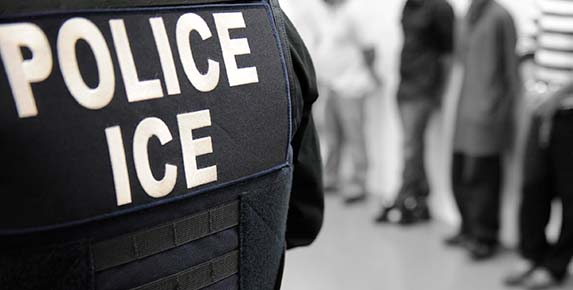
Officials in President Donald Trump’s administration now say there are no plans to broadly deploy Immigration and Customs Enforcement officers to polling places on Election Day.
The Department of Homeland Security has said immigration officers will not be sent en masse to polling locations to monitor voters. Administration officials have pushed back against claims that ICE is preparing a nationwide Election Day operation, describing those concerns as unfounded.
However, officials have not completely ruled out immigration enforcement activity involving specific circumstances, such as executing an individual warrant or responding to a particular law-enforcement situation.
The issue became controversial partly because of comments made earlier in the election cycle. When President Trump was questioned in May about federal immigration agents potentially appearing around polling locations, he said his administration would take whatever measures were necessary to ensure honest elections. Those remarks led elected officials and voting-rights organizations in several states to begin preparing for the possibility of federal activity near polling places.
Supporters of stronger federal election-security measures argue that government officials have a responsibility to enforce existing laws and respond to genuine threats regardless of when they occur. They also argue that immigration laws do not simply stop applying because an election is taking place.
Opponents raise a different concern. They argue that the visible presence of immigration agents around voting locations could discourage eligible citizens from voting, particularly in communities containing mixed immigration statuses. Voting-rights groups have therefore been preparing volunteers and attorneys to respond if disputes occur.
There are also significant legal restrictions surrounding law-enforcement activity at polling places. Federal and state laws generally seek to prevent voter intimidation and unauthorized interference with voting.
The administration’s current position is that there will not be a broad ICE deployment at polling locations. The debate, however, raises a larger question about what role—if any—federal immigration enforcement should have around election sites.