

Yes
I do.
No
I don’t.
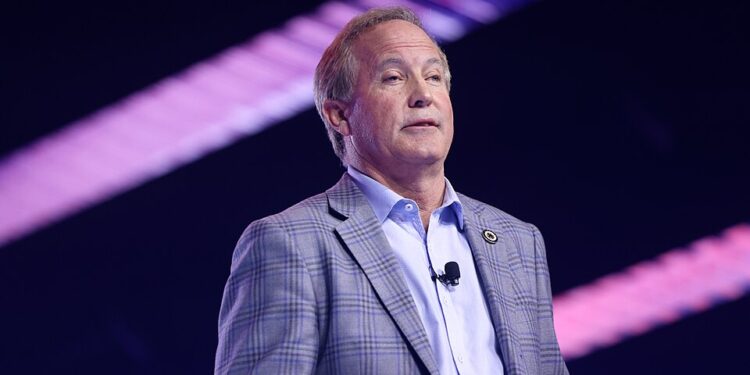
The closely watched U.S. Senate campaign in Texas is generating another major question for Republican nominee Ken Paxton: Should he debate Democratic nominee James Talarico before voters cast their ballots?
Talarico has repeatedly challenged Paxton to participate in televised debates. Paxton’s campaign indicated earlier in the summer that he intended to debate Talarico, but as the general election has drawn closer, no debate between the two candidates has been scheduled.
The issue gained additional attention after Fox News said it was willing to host a debate between Paxton and Talarico if both campaigns agreed to participate.
Talarico has accepted the idea of appearing in a Fox News debate and has continued publicly challenging Paxton to join him. As of late September, Paxton had not committed to the proposed Fox News event.
The decision is receiving greater scrutiny because Texas’ Senate campaign has become highly competitive. Republican organizations have spent heavily supporting Paxton, and Republican strategists have been closely watching the race as part of the party’s broader effort to maintain control of the Senate.
Some political observers argue that participating in a debate could give Paxton an opportunity to make his case directly to Texas voters, defend his record as attorney general and challenge Talarico’s positions face-to-face. Debates can also attract voters who may not closely follow campaign rallies, advertisements or candidate interviews.
Other campaign strategists sometimes see debates differently. A candidate may determine that television advertisements, rallies, interviews and direct voter outreach provide a more predictable way to communicate without the uncertainty that comes with a live debate.
Texas Senate debates have historically been common. The state’s major Senate candidates debated during the 2018, 2020 and 2024 election cycles, while reporting by The Washington Post notes that 2000 was the last Texas Senate race in which the major candidates did not debate.
The decision ultimately belongs to the campaigns, while voters must decide how much importance they place on seeing candidates confront one another directly.
With Election Day approaching, the debate question is becoming part of the campaign itself.