
A new political controversy is unfolding in Washington after Senate Democrats demanded that a Republican senator apologize to former special counsel Jack Smith over accusations made during a congressional hearing involving President Donald Trump.
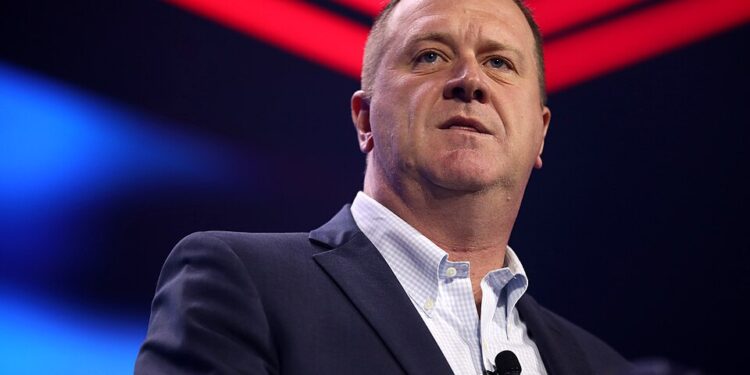
The dispute centers on Republican Sen. Eric Schmitt of Missouri, who questioned Smith about his activities during the federal investigations involving Trump. What began as an attempt to examine a possible connection between prosecutors has now developed into a disagreement over congressional procedures, evidence, and accountability.
Senate Democrats claim Schmitt relied on incomplete information when questioning Smith about attending a basketball game in February 2024. Republicans have rejected demands for an apology, arguing that the former special counsel’s own investigative practices deserve continued scrutiny.
The controversy highlights the ongoing political divisions surrounding the investigations of President Trump and raises questions about how Congress handles sensitive evidence during public hearings.
Senate Democrats Demand Formal Apology
Sen. Dick Durbin of Illinois, the ranking Democrat on the Senate Judiciary Committee, is leading the effort to secure an apology for Smith.
Durbin and other Democrats sent a letter to Republican Committee Chairman Chuck Grassley of Iowa, accusing the Republican majority of failing to provide documents that were used during Schmitt’s questioning.
According to the Democrats, Senate committee rules require records received by the majority to be made available to minority members.
Durbin argued that the documents should have been shared before Schmitt introduced them during the hearing.
The letter demanded that Republicans release the relevant records, comply with committee procedures, and apologize for the accusations directed at Smith.
The request has generated additional political controversy because Smith previously led two high-profile federal criminal investigations involving Trump.
Those investigations made Smith a prominent figure in national politics and a frequent target of criticism from Republican lawmakers.
Basketball Confusion Triggers Political Backlash
The disagreement began when Schmitt questioned Smith about attending a basketball game on February 3, 2024.
Schmitt suggested that Smith may have attended an Atlanta Hawks NBA game, raising the possibility that he could have encountered Fulton County District Attorney Fani Willis.
Willis previously pursued criminal charges against Trump in Georgia, making the possibility of communication between the two prosecutors a subject of political interest.
Smith denied ever meeting Willis.
During the hearing, Smith explained that he had attended a women’s college basketball game between the Iowa Hawkeyes and Maryland Terrapins.
He also said he wanted to watch Iowa basketball star Caitlin Clark, who had become one of the most recognizable athletes in college sports.
That explanation raised questions about whether Schmitt had correctly interpreted the information he received before questioning Smith.
Democrats quickly criticized the exchange, arguing that the senator had suggested a connection without sufficient supporting evidence.
What the Text Messages Revealed
The controversy intensified after additional details emerged about text messages exchanged among members of Smith’s prosecutorial team.
The messages, dated February 3, 2024, primarily concerned seating arrangements and plans to meet during halftime of a basketball game.
According to reporting by The Hill, the communications did not specifically identify the teams involved.
In one exchange, Smith’s former deputy, JP Cooney, discussed his seat location and indicated that he planned to meet colleagues during the game.
Democrats argue that these messages do not establish that Smith attended an Atlanta Hawks game or met with Willis.
Other communications from March 2024 referenced Caitlin Clark, adding context to the group’s apparent interest in women’s college basketball.
Schmitt’s office maintained that the senator had not seen those later messages when he questioned Smith.
A spokesperson explained that Schmitt focused on the timing of the February communications and compared it with the start of an Atlanta game.
The senator’s office subsequently acknowledged that the questioning revealed something unexpected: Schmitt and Smith apparently share an interest in college sports.
Nevertheless, the disagreement over the documents has continued.
Republicans Reject Democrats’ Demands
Republicans have strongly resisted the Democrats’ request for an apology.
Clare Slattery, a spokesperson for Grassley, argued that Smith should instead be answering questions about his investigative activities.
The Republican response pointed to previous concerns raised by Grassley regarding the collection of financial information connected to Americans who contributed to conservative political organizations.
Grassley has examined records involving thousands of political donors as part of his broader oversight of Smith’s investigative work.
Republicans argue that these activities deserve careful examination because they involve questions about government authority, privacy, and the treatment of American citizens participating in the political process.
From the Republican perspective, the latest disagreement should not distract Congress from investigating whether federal prosecutors exercised their authority appropriately.
Democrats, however, maintain that congressional oversight must rely on accurate evidence and fair questioning.
The competing arguments illustrate the broader political conflict over Smith’s investigations and the appropriate limits of federal prosecutorial power.
Durbin Criticizes Republican Senator’s Remarks
Durbin also criticized Schmitt’s conduct during the hearing.
The Democratic senator objected to Schmitt suggesting that Smith had committed perjury and using insulting language while questioning the former special counsel.
Durbin argued that the exchange fell short of the standards expected during official Senate proceedings.
He also praised Democratic Sen. Amy Klobuchar of Minnesota for pressing Schmitt to display the text messages he had referenced.
According to Durbin, Klobuchar’s questioning helped clarify the confusion surrounding the basketball game.
Democrats contend that the controversy could have been avoided if the complete records had been available to committee members before the hearing.
Republicans have continued emphasizing their broader concerns about Smith’s investigative decisions rather than accepting the Democrats’ characterization of the dispute.
No evidence presented in the reported basketball exchange established that Smith met with Willis or committed perjury.
Why the Dispute Matters for Congress
Although the controversy initially centered on a basketball game, it has grown into a wider disagreement about congressional oversight.
Senate committees are responsible for investigating government agencies, reviewing the conduct of public officials, and ensuring federal authorities remain accountable to the American people.
These responsibilities become especially important when investigations involve a sitting president, political opponents, or sensitive personal information.
Republicans have argued that Smith’s investigations of Trump warrant continued examination, particularly regarding the methods federal prosecutors used to obtain records.
Democrats have countered that congressional investigations must follow established procedures and avoid making accusations unsupported by the available evidence.
Both questions have implications for public confidence in federal institutions.
For Americans concerned about government accountability, the dispute illustrates why transparency and accurate information remain essential during congressional investigations.
What Happens Next?
The Senate Judiciary Committee now faces renewed pressure over how documents are shared and how witnesses are treated during congressional hearings.
Democrats want Republicans to provide the requested records and acknowledge what they consider improper accusations against Smith.
Republicans have shown little willingness to apologize, instead defending their continued examination of the former special counsel’s actions.
The controversy comes as the political debate surrounding Trump’s previous criminal investigations remains a significant issue in Washington.
While the basketball confusion attracted attention, the broader disagreement involves questions about federal authority, political accountability, and the proper role of congressional oversight.
For voters, the central concern may be whether lawmakers can conduct fair and thorough investigations without allowing political disputes to overshadow the facts.
As the disagreement continues, one issue remains clear: Congress faces growing pressure to demonstrate that its oversight responsibilities are guided by credible evidence, consistent procedures, and accountability for everyone involved.