

Yes
I do.
No
I don’t.
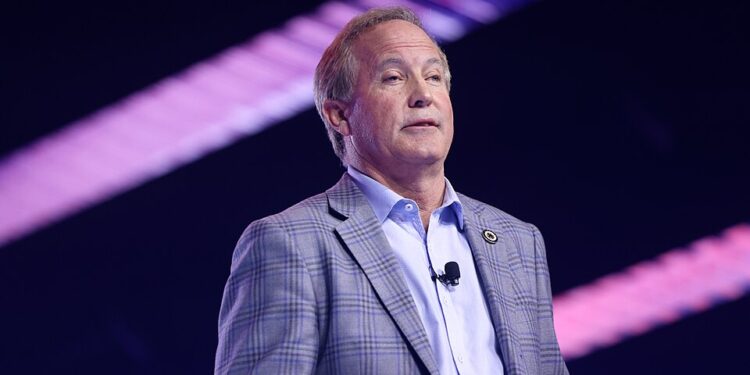
President Donald Trump is making headlines in Texas after publicly calling for a debate between Republican Senate candidate Ken Paxton and Democratic challenger James Talarico. With the 2026 midterm elections approaching, the president’s involvement has brought additional national attention to an increasingly competitive Senate race.
During a recent appearance in San Antonio, Trump criticized Talarico’s absence from the campaign trail and called for the Democrat to face Paxton in a public debate. Talarico’s campaign explained that he had been recovering from the flu, but the president’s remarks quickly became another major talking point in the Texas Senate contest.
Interestingly, Talarico responded by accepting the challenge. According to reporting from The Texas Tribune, the Democrat has expressed his willingness to debate, while Paxton has not publicly accepted the available invitations. This development has added an unexpected twist to Trump’s demand.
The debate discussion raises a larger question about what voters should expect from candidates seeking powerful positions in Washington.
Public debates have long played an important role in American elections. They provide opportunities for candidates to explain their policies, defend their records, and answer difficult questions without relying entirely on campaign advertisements or prepared political statements.
For Texas voters, a potential debate could cover immigration enforcement, border security, federal spending, inflation, energy production, government accountability, and the future direction of the country.
Supporters of Trump’s proposal may argue that a nationally significant Senate election deserves a direct confrontation between the candidates. They believe voters should have an opportunity to compare competing ideas before casting their ballots.
Others question whether presidential involvement is necessary to arrange a debate. Some observers also argue that both candidates should independently demonstrate their willingness to participate rather than using the debate issue primarily as a campaign attack.
Regardless of political affiliation, the controversy highlights the importance of transparency during closely watched elections.
Texas has traditionally been a Republican stronghold in statewide federal elections, but the Paxton-Talarico contest has attracted attention from both political parties. The outcome could help determine which party controls the United States Senate.
As Election Day draws closer, Americans will be watching to see whether the two candidates ultimately meet face-to-face.