

Yes
I do.
No
I don’t.
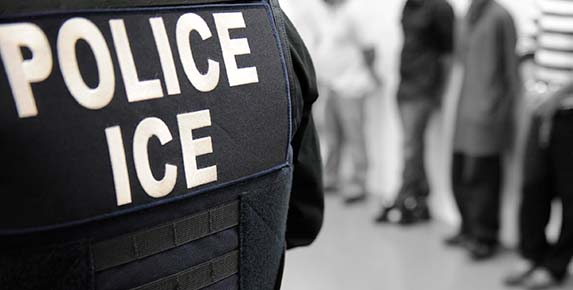
President Donald Trump’s immigration enforcement strategy is drawing renewed national attention following reports that Immigration and Customs Enforcement (ICE) officials have instructed agents to increase the number of immigration arrests ahead of the November 2026 midterm elections.
According to CNN reporting published in October, ICE leadership told agents to increase daily arrests by approximately 1,000, with a reported goal of reaching 3,000 arrests per day. The Department of Homeland Security has disputed the characterization of these targets as arrest quotas, maintaining that officers are carrying out lawful immigration enforcement activities.
The reports have sparked a debate about the administration’s immigration priorities, the responsibilities of federal enforcement agencies, and the potential consequences of increasing arrests nationwide.
President Trump has consistently identified immigration enforcement as a major priority of his presidency. His administration argues that enforcing federal immigration laws is essential to maintaining border security, protecting communities, and ensuring that immigration rules are followed.
Supporters of increased enforcement believe federal authorities should have the personnel, resources, and operational flexibility necessary to identify and apprehend individuals who are subject to removal under federal law. They argue that consistent enforcement is an important part of maintaining public confidence in the nation’s immigration system.
However, critics have raised concerns about the potential effects of numerical arrest targets on enforcement decisions. They question whether pressure to increase arrests could result in broader operations involving individuals without serious criminal histories or create additional challenges for families, employers, and local communities.
Another important issue is the timing of the reported directive. With the midterm elections approaching, immigration enforcement has become part of the broader political discussion surrounding the Trump administration’s second-term agenda.
Some observers view increased enforcement as a continuation of the president’s previously announced policies. Others question whether the timing could influence public opinion before voters select their representatives in Congress.
The discussion also involves practical considerations, including detention capacity, federal spending, legal procedures, and how immigration agents prioritize cases.
Regardless of political affiliation, immigration enforcement raises important questions about federal authority, public safety, and the fair application of existing laws.
As the country approaches another major election, Americans are being asked to evaluate whether expanded immigration operations reflect the direction they want federal policy to take.