

Yes
He should.
No
He shouldn’t.
President Donald Trump is facing renewed controversy following his administration’s decision to restrict several major news organizations from accessing the White House. The move has sparked a national debate about freedom of the press, presidential authority, and whether the administration has gone too far in its disagreements with the mainstream media.
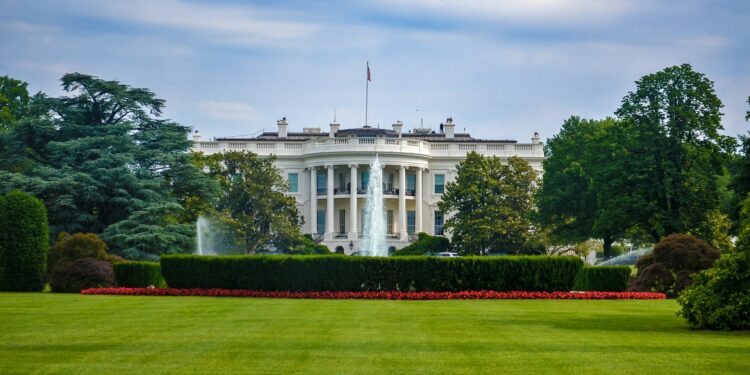
The controversy centers on the White House’s decision to revoke access for CNN, MS NOW, and Politico, three news organizations that have frequently published critical coverage of the president and his policies.
The Trump administration has defended the restrictions, arguing that White House access is a privilege rather than an automatic right. Administration officials have also accused certain media organizations of publishing inaccurate or misleading reports.
However, critics argue that restricting access because of unfavorable coverage raises serious constitutional questions. They believe that journalists must remain free to question elected officials, investigate government decisions, and report information without fear of punishment.
The dispute has reached federal court, where the affected news organizations have challenged the restrictions. Their attorneys argue that government officials cannot discriminate against journalists simply because they disagree with their reporting.
For President Trump, the controversy adds another chapter to his long-running conflict with major media outlets. Throughout his political career, Trump has accused portions of the press of treating him unfairly and spreading misinformation about his administration.
Supporters of the president argue that he has every right to challenge news organizations over what he considers dishonest reporting. They believe the White House should be able to establish reasonable standards for press credentials and access to official events.
Others believe that protecting press freedom is especially important when journalists publish information that government officials would rather not see reported.
The controversy also raises a broader question about presidential accountability. While some critics believe the restrictions are serious enough to question Trump’s fitness for office, others consider calls for his resignation an excessive response to a dispute over media access.
As Americans continue debating the relationship between government authority and a free press, opinions remain deeply divided.