
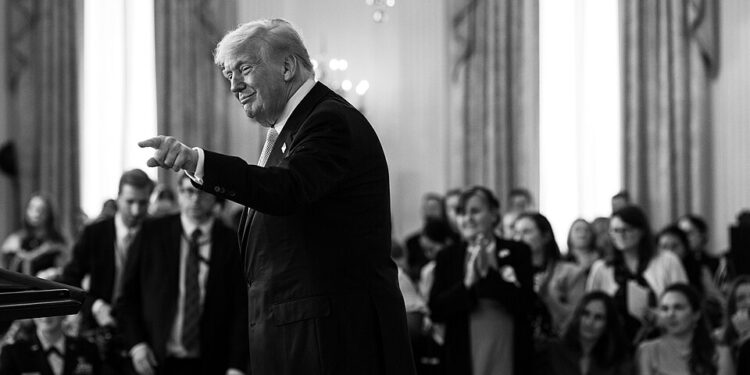
President Donald Trump is refusing to back down as reports of growing tension inside the White House raise questions about the future of one of his most powerful advisers.
With the 2026 midterm elections approaching, speculation has intensified over possible changes to Trump’s senior leadership team. However, the president is making one thing perfectly clear: He has no intention of removing White House Chief of Staff Susie Wiles.
Speaking to reporters Friday, Trump dismissed claims that he was considering replacing Wiles, offering an unusually strong defense of the woman credited with helping lead his successful 2024 presidential campaign.
When asked whether he planned to fire Wiles, Trump responded with two words: “Zero chance.”
The president went further, describing the reports as inaccurate and praising Wiles for her leadership, loyalty, and dedication to his administration.
His remarks come as Republicans face growing pressure ahead of November’s congressional elections, with internal disagreements and concerns about the party’s political strategy attracting attention in Washington.
Trump Stands Firm Behind Susie Wiles
Wiles has become one of the most influential figures in Trump’s political operation.
After helping guide his return to the White House in 2024, she made history as the first woman to serve as White House chief of staff.
Her responsibilities include overseeing senior White House personnel, coordinating administration priorities, and helping manage the president’s daily operations.
Trump has frequently credited Wiles with bringing organization and discipline to his political team.
Despite recent speculation that her position could be in jeopardy, the president insisted their working relationship remains strong.
“She’s been incredible,” Trump told reporters, rejecting suggestions that he was looking for a replacement.
He also pointed to her recovery from breast cancer, praising her strength after undergoing treatment. Wiles recently announced that she was cancer-free.
Trump emphasized that she would remain part of his administration for the foreseeable future.
“Susie is here and she’s gonna be here for a long time,” the president declared.
The public endorsement appeared intended to end speculation about an immediate leadership change, even as reports of disagreements among senior officials continue to circulate.
Reports Reveal Growing White House Tensions
The controversy began after reports suggested Trump had privately discussed potential replacements for Wiles.
Several prominent administration figures, including Deputy Chief of Staff Stephen Miller, Environmental Protection Agency Administrator Lee Zeldin, and housing official Bill Pulte, were mentioned in reporting about possible successors.
However, there has been no official indication that Wiles plans to resign.
Some Trump advisers have also questioned whether the speculation reflects genuine concerns about her leadership or maneuvering by individuals interested in gaining greater influence.
The situation has drawn attention because Wiles was widely viewed as a stabilizing force within Trump’s second administration.
Compared with the frequent personnel changes during his first term, the president’s current White House had maintained greater continuity in several important leadership positions.
But recent developments have renewed questions about internal disagreements and how major personnel decisions are being handled.
For Trump, those distractions come at a particularly sensitive time.
Press Secretary Shakeup Adds To Controversy
One development contributing to the speculation involved Trump’s decision to appoint Katie Zacharia as White House press secretary.
According to published reports, the president made the selection without fully involving Wiles in the process.
The decision raised questions because the White House chief of staff traditionally plays a central role in coordinating major personnel appointments.
Zacharia’s tenure quickly became controversial, and she departed the position after just five days.
Her sudden exit prompted additional scrutiny of the administration’s hiring decisions and communication strategy.
The episode also fueled suggestions that Wiles might be losing some influence over White House operations.
Nevertheless, Trump has rejected the broader claim that he has lost confidence in his chief of staff.
His latest comments suggest he remains willing to defend Wiles publicly, even when questions arise about disagreements behind closed doors.
Republicans Face High Stakes In November
The leadership controversy comes as the Republican Party prepares for the November 3, 2026, midterm elections.
Control of Congress will be at stake, and the results could significantly affect Trump’s ability to advance his agenda during the remainder of his presidency.
Republicans are seeking to maintain their congressional majorities, while Democrats are hoping to capitalize on voter dissatisfaction over economic conditions and other national issues.
Major concerns include inflation, household expenses, government spending, immigration enforcement, and the direction of American foreign policy.
For the Trump administration, maintaining Republican control of Congress would make it easier to pursue legislative priorities involving taxes, border security, and federal spending.
If Democrats gain control of either chamber, the White House could face increased congressional oversight and more difficult negotiations over major legislation.
Recent reporting indicates Trump has expressed frustration with aspects of Republican campaign planning, including political spending and decisions involving competitive races.
Those concerns have placed additional pressure on advisers responsible for developing the party’s election strategy.
With Election Day approaching, the administration faces the challenge of maintaining internal unity while convincing voters that Republicans deserve another two years of congressional control.
Political Advisers Face Additional Scrutiny
The White House has also faced questions involving political advisers James Blair and Chris LaCivita.
Both men have been involved in Republican political strategy and have attracted attention over consulting work connected to Bosnia.
Their outside business activities have generated questions about potential conflicts of interest and the relationship between political consulting and access to influential administration figures.
Additional scrutiny has involved professional connections between Wiles’ daughter and lobbying interests linked to the region.
Those connections have fueled political discussion, although they do not independently establish wrongdoing by Wiles.
The controversy illustrates the challenges facing political advisers who maintain professional relationships outside government while remaining closely connected to the president’s inner circle.
Trump has previously raised concerns about individuals attempting to benefit financially from their relationships with his administration.
As a result, reports involving outside consulting arrangements have added another layer of tension to an already challenging political environment.
Why Trump’s Decision Matters
Trump’s refusal to replace Wiles could have consequences extending beyond the White House.
The chief of staff plays an essential role in maintaining communication between the president, Cabinet officials, congressional leaders, and senior advisers.
A sudden change in that position just weeks before the midterm elections could create additional uncertainty within the administration.
By publicly defending Wiles, Trump may be attempting to demonstrate that his leadership team remains stable despite reports suggesting otherwise.
His comments also highlight the importance he places on personal loyalty and established working relationships.
Wiles has spent years working alongside Trump and was instrumental in organizing his successful return to the presidency.
Her experience and familiarity with his leadership style could make replacing her especially difficult during a critical election period.
However, the president’s strong endorsement does not necessarily resolve every disagreement taking place among administration officials.
Questions about campaign strategy, personnel decisions, and political messaging could continue regardless of who occupies the chief of staff’s office.
Trump Sends A Clear Message About White House Leadership
For now, Trump appears determined to keep Wiles in her position.
Despite speculation about possible replacements and reports of internal disagreements, the president has firmly rejected claims that her departure is imminent.
His decision comes as Republican leaders work to focus attention on their legislative achievements and campaign priorities rather than personnel disputes.
The approaching midterm elections will provide a major political test for the administration, with the results likely to influence the direction of Washington for the next two years.
Whether additional White House changes occur after November remains to be seen.
But on the question of Susie Wiles, Trump has delivered a direct answer.
The president says he has complete confidence in his chief of staff, and he is refusing to fire her despite the growing speculation surrounding her future.