

Yes
He should.
No
He shouldn’t.
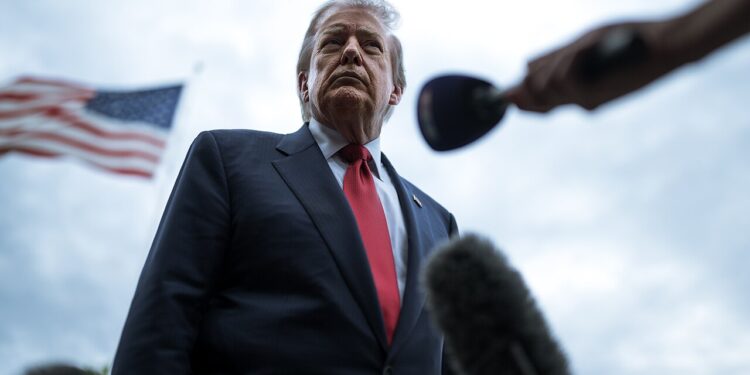
Health care affordability has become one of the most significant economic concerns facing American families as the 2026 midterm elections approach. With President Donald Trump leading the country, many voters are closely watching how his administration addresses rising medical expenses, health insurance premiums, prescription drug prices, and the overall cost of receiving medical treatment.
For millions of Americans, health care expenses represent a major financial responsibility. Even families with insurance can face substantial costs through monthly premiums, deductibles, copayments, medical procedures, and prescription medications.
A KFF Health Tracking Poll published in April 2026 found that 64% of American adults were worried about being able to afford health care costs, demonstrating the importance of medical affordability in the national economic debate.
President Trump has promoted proposals intended to address these concerns. In January 2026, his administration introduced the Great Healthcare Plan, calling for measures designed to reduce prescription drug prices, improve pricing transparency, address insurance premiums, and increase accountability among major insurance companies.
Supporters of Trump’s approach believe greater competition, stronger price transparency requirements, and changes to pharmaceutical pricing could help make health care more affordable without significantly expanding government involvement.
They argue that patients should have clearer information about medical prices and greater freedom to compare available health care options.
Others believe more extensive government action is necessary to produce meaningful reductions in medical expenses.
Critics of current health care policies have raised concerns about insurance coverage, affordability, and the long-term financial consequences of changes to federal health programs.
Some Americans support expanding insurance assistance, protecting Medicaid and Medicare benefits, and strengthening government negotiations over prescription drug prices.
Others are concerned that additional government spending or regulations could create new costs, complicate the health care system, or place greater financial pressure on taxpayers.
The discussion is especially important for senior citizens, working families, people managing chronic illnesses, and individuals who depend on affordable medications or regular medical treatment.
As voters consider their choices in the upcoming midterm elections, health care affordability may influence how they evaluate both Republican and Democratic candidates.
While there is broad interest in making medical care more affordable, Americans disagree about which policies would be most effective and how much responsibility the federal government should assume.
The challenge for President Trump and Congress is determining how to lower costs while maintaining access to quality medical services.