

Yes
I do.
No
I don’t.
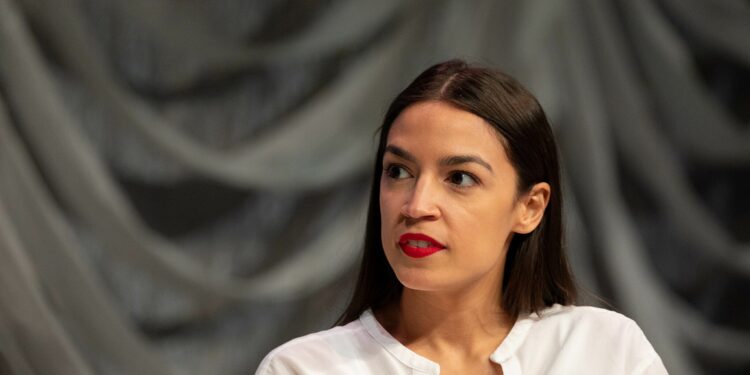
The future of the Democratic Party is becoming a major subject of political debate as Representative Alexandria Ocasio-Cortez and other progressive leaders seek a stronger voice in shaping the party’s priorities, electoral strategy, and approach to governing.
With President Donald Trump currently serving in the White House, Democrats are facing important questions about how to attract voters, rebuild political momentum, and compete effectively in upcoming congressional elections.
Ocasio-Cortez, widely known as AOC, has become one of the most recognizable figures in the Democratic Party’s progressive movement. She has advocated policies involving universal healthcare, affordable housing, higher taxes on wealthy Americans, environmental protection, and expanded economic opportunities for working families.
During the 2026 election cycle, she has also supported progressive congressional candidates and emphasized the importance of addressing the economic concerns of everyday Americans. Her involvement reflects an ongoing discussion within the Democratic Party about whether its future should be guided primarily by progressive policies or a more moderate political platform.
Supporters of a stronger progressive movement believe Democrats need new leadership, ambitious policy proposals, and a clearer message on economic inequality.
They argue that candidates who prioritize affordable healthcare, higher wages, housing accessibility, and consumer protections may be better positioned to connect with younger voters and Americans frustrated by rising living expenses.
Others within the Democratic Party have expressed concerns about moving too far toward progressive positions.
Moderate Democrats and political strategists argue that winning competitive elections often requires appealing to independents, suburban voters, and Americans who hold a combination of liberal and conservative views.
They believe candidates should focus on broadly supported policies, practical economic solutions, and political compromise instead of emphasizing proposals that may divide the electorate.
The debate has broader implications for President Trump’s administration and the balance of power in Congress.
If more progressive candidates win Democratic primaries and general elections, their growing influence could affect future discussions about federal spending, taxation, immigration, healthcare, and environmental legislation.
However, election results will also help determine whether progressive messaging can succeed beyond traditionally Democratic districts.
As Republicans continue advancing President Trump’s America First priorities, Democrats must decide which political approach offers the strongest opportunity to attract voters and communicate an alternative vision for the country.
For voters, the question extends beyond individual personalities. It concerns what kind of Democratic Party should emerge over the coming years and what policies its elected representatives should prioritize.