

Yes
I do.
No
I don’t.
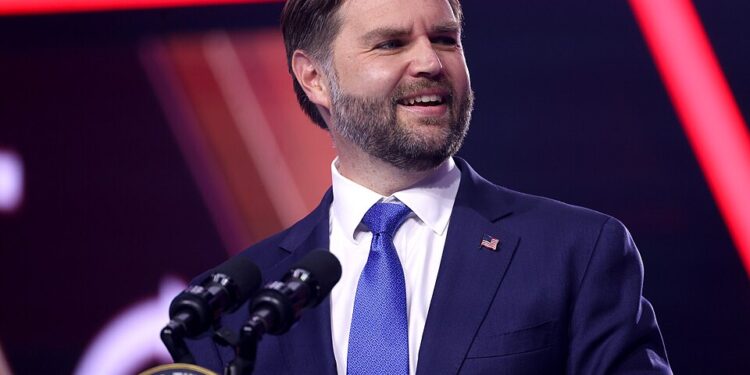
Vice President JD Vance has intensified the national debate over race, discrimination, and equal opportunity by accusing Democratic leaders of supporting policies that he characterizes as discriminatory toward white Americans.
The remarks come as President Donald Trump’s administration continues to challenge diversity, equity, and inclusion initiatives across government, education, and other institutions. The controversy has become another major point of disagreement between Republicans and Democrats ahead of the 2026 midterm elections.
During political remarks in September, Vance criticized congressional Democrats and accused them of supporting race-based policies that he believes conflict with the principle of treating all Americans equally.
Vance and other Republican leaders argue that employment, educational opportunities, and government programs should focus on individual qualifications and equal treatment rather than race. They maintain that policies giving preferential consideration based on racial identity can create unfair outcomes and undermine confidence in American institutions.
Supporters of this position believe that opposing racial discrimination should include protecting individuals of every background, including white Americans, from unequal treatment.
Democratic leaders and supporters of diversity initiatives offer a different perspective. They argue that many of these programs were developed to address historical barriers, improve access to opportunities, and reduce persistent inequalities affecting underrepresented communities.
They also dispute the broad accusation that Democrats promote racism against white Americans, emphasizing that policies intended to expand opportunity are not necessarily designed to discriminate against others.
The disagreement raises complicated questions about how racial fairness should be defined and what role government institutions should play in promoting equal opportunity.
Some Americans believe the best approach is to remove racial considerations from employment, education, and public policy decisions whenever possible. Others contend that addressing existing disparities sometimes requires examining how race has affected opportunities and outcomes.
Although the political debate is often framed as a conflict between Republicans and Democrats, Americans hold a wide range of views about diversity programs, affirmative action, civil rights protections, and discrimination.
The discussion also raises an important distinction between criticizing specific policies and making broad claims about the intentions of an entire political party.
As political leaders continue debating these issues, voters must decide which approaches they believe will best protect equal rights and promote fairness for everyone.