

Yes
I do.
No
I don’t.
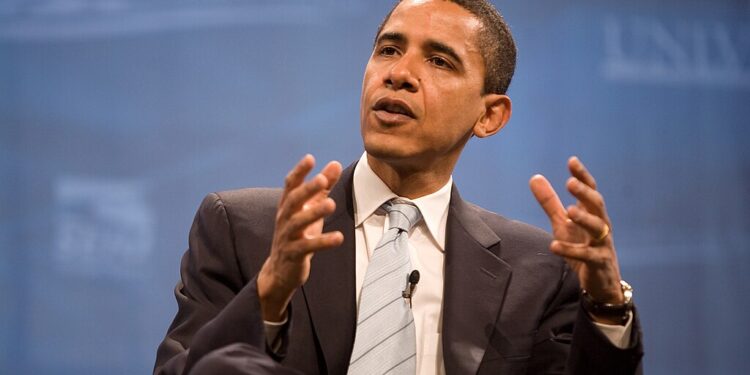
Former President Barack Obama remains one of the most recognizable and debated figures in American politics, even years after leaving the White House. His political legacy continues to generate disagreement between Republicans and Democrats, particularly over questions involving government transparency, political messaging, and the promises made during his presidency.
Critics within the Republican Party have frequently accused Obama’s administration of misleading the American public on important policy matters. These criticisms have involved everything from healthcare reform and federal spending to foreign policy decisions and the government’s handling of national security issues.
One of the most frequently debated subjects has been the Affordable Care Act, commonly known as Obamacare. Republicans have long challenged statements made during the healthcare law’s promotion, particularly assurances about whether Americans would be able to maintain their existing insurance plans.
The controversy became an enduring example of how political promises can be interpreted differently once policies are implemented.
Other disagreements surrounding Obama’s presidency involved the federal government’s approach to immigration, international diplomacy, economic regulation, and the use of executive authority.
Republican critics have argued that some administration decisions contradicted the expectations established during Obama’s presidential campaigns. Democrats, meanwhile, have defended his record by pointing to healthcare coverage expansion, economic recovery following the financial crisis, and diplomatic initiatives.
The disagreement reflects a broader question about political accountability. When elected officials make promises that are later revised, do those changes reflect deliberate deception, unexpected circumstances, or the practical difficulties of governing?
President Donald Trump and Barack Obama have represented sharply different political approaches, with their supporters frequently disagreeing about the proper role of government and the direction of the country.
Obama’s continued participation in political discussions and Democratic campaigns has also kept his record in the public spotlight. As the country approaches another major election, disagreements surrounding past administrations remain part of today’s political conversation.
For voters, separating political criticism from documented facts can be challenging, especially when accusations involve motives and intentions that are difficult to establish conclusively.
The question of honesty in public office extends beyond any individual president or political party. Americans routinely evaluate their elected leaders based on their public statements, policy outcomes, and willingness to acknowledge mistakes.