

Yes
I do.
No
I don’t.
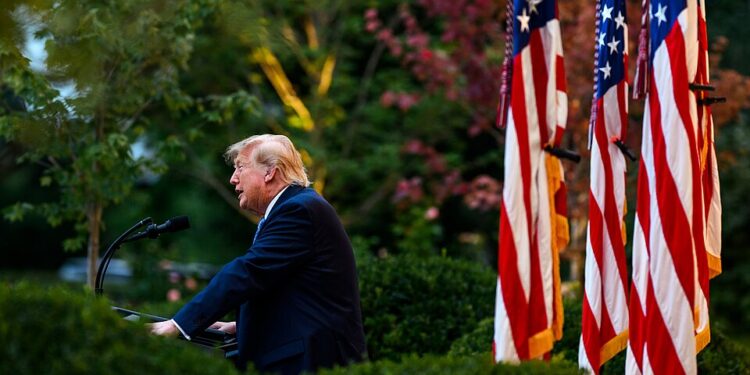
President Donald Trump’s approach to foreign policy continues to generate debate as Americans consider the country’s position on the world stage, its relationships with international allies, and its response to growing global security challenges.
From military operations and diplomatic negotiations to international trade agreements and national defense, the administration’s decisions carry significant consequences for the United States and its relationships with other countries.
One of the central questions facing voters is whether President Trump or the Democratic Party can be trusted to manage America’s foreign policy more effectively.
Recent Fox News polling has shown Democrats holding an advantage over Republicans when voters are asked which party they trust more on foreign policy. An October 2026 survey reported a nine-percentage-point Democratic advantage on the issue.
These findings reflect an ongoing debate about America’s international leadership and the direction of U.S. foreign policy under the current administration.
Trump has emphasized an America First approach, arguing that international decisions should prioritize American security, economic interests, and national sovereignty. His administration has pursued changes in trade relationships, military strategy, and diplomatic engagement while maintaining that the United States must protect its own interests.
Supporters believe this approach provides stronger negotiating leverage and challenges international arrangements they view as unfavorable to American taxpayers.
Critics question whether the administration’s diplomatic and military decisions have strengthened American security or created additional international uncertainty. They also raise concerns about relationships with longstanding allies and the costs associated with overseas conflicts.
The disagreement extends beyond political parties.
Many Americans evaluate foreign policy through practical questions involving national security, military readiness, energy prices, international stability, and the possibility of additional U.S. involvement in foreign conflicts.
For military families and veterans, these decisions may carry particularly significant consequences.
Others consider whether American leadership abroad contributes to stability and economic opportunity at home.
Foreign policy polling captures public confidence at a particular moment, but opinions can change as international events develop and new information becomes available.
As President Trump continues leading the country’s diplomatic and national security efforts, voters are being asked to determine which political leadership they believe is better equipped to address international challenges.