

Yes
He should.
No
He shouldn’t.
President Donald Trump could face a new round of congressional scrutiny as Democrats prepare to use their newly won majority in Congress to investigate members of his administration, including one of his closest political advisers, Stephen Miller.
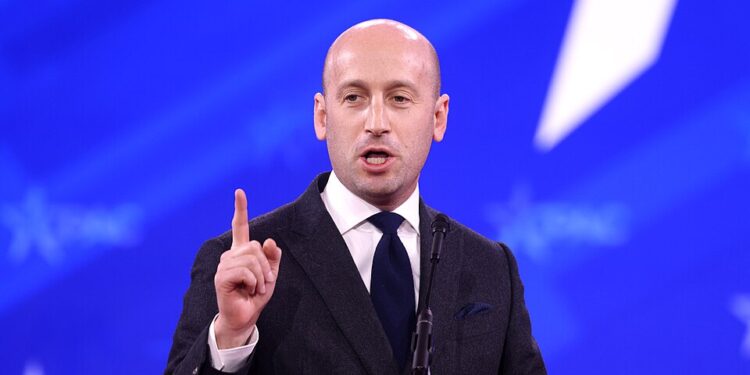
Miller, who has played a major role in developing and defending Trump’s immigration policies, has now been selected to serve as White House chief of staff following the departure of Susie Wiles.
The leadership change comes during a politically challenging period for the administration after Democrats achieved sweeping victories in the 2026 midterm elections.
Democratic lawmakers have signaled their intention to examine the actions of administration officials, with Miller emerging as a prominent potential target for congressional oversight.
Representative Robert Garcia, a leading Democrat on the House Oversight Committee, has publicly criticized Miller and indicated that his committee intends to continue examining his conduct and policy decisions.
The prospect of an investigation raises questions about how the president and his advisers will respond to increased congressional oversight.
Miller has been a longtime Trump ally and an influential figure in the administration’s approach to border security, deportations, immigration enforcement, and executive authority.
Supporters of the administration view its immigration agenda as an effort to strengthen border protections and enforce federal law. Critics argue that certain enforcement practices deserve closer examination to determine whether they comply with constitutional protections and existing legal requirements.
As Democrats prepare to assume control of congressional committees, they will gain additional authority to request documents, conduct hearings, and issue subpoenas.
However, congressional investigations also face legal limitations. Executive privilege, disputes over testimony, and potential court challenges can affect which information lawmakers are able to obtain.
An investigation also does not automatically establish that a government official has committed wrongdoing.
For President Trump, the political consequences could extend beyond Miller himself. Congressional hearings involving senior White House officials may generate public attention, increase disputes between the administration and lawmakers, and complicate efforts to advance the president’s policy agenda.
At the same time, the White House could argue that its officials are carrying out lawful executive responsibilities and that congressional oversight should remain focused on legitimate legislative purposes.
Democrats have also identified other potential subjects for investigation, meaning their plans are not limited to Miller.
The broader question is whether these inquiries will uncover significant concerns that affect the administration or become another prolonged partisan confrontation in Washington.
With Miller assuming a powerful White House position and Democrats preparing for greater oversight authority, the political stakes are considerable.