

Yes
He can.
No
He can’t.
President Donald Trump is preparing to face a major political challenge following the 2026 midterm elections, which handed Democrats control of both the House of Representatives and the Senate. With Washington entering another period of divided government, Americans are questioning whether the president and Democratic lawmakers can put aside their differences to address the nation’s most pressing problems.
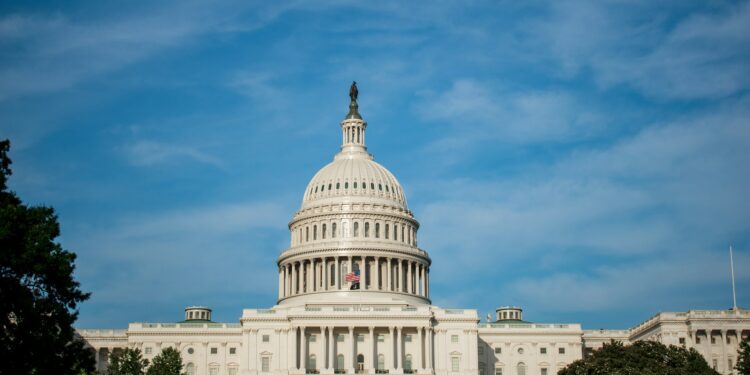
The election results represent a significant change in the balance of power. Republicans will no longer control the legislative agenda when the new Congress takes office in January 2027. Instead, Democratic leaders will have greater authority over congressional committees, government spending proposals, investigations, and legislation moving through Capitol Hill.
However, President Trump will retain considerable executive authority, including the power to veto legislation that reaches his desk.
Some political observers believe divided government could create opportunities for bipartisan agreements, particularly on issues affecting families and businesses. Lowering everyday expenses, protecting Social Security and Medicare, improving infrastructure, strengthening national security, and addressing government spending are concerns that cross party lines.
Supporters of cooperation argue that voters expect elected officials to deliver meaningful results regardless of political affiliation. They believe Republicans and Democrats should be willing to negotiate when doing so benefits the American people.
Others predict a much more confrontational relationship. Congressional Democrats have already indicated they intend to increase oversight of the Trump administration, while the president has signaled that he will defend his policies and reject legislation he considers unacceptable.
Disagreements over immigration enforcement, federal spending, taxes, healthcare, and foreign policy could make compromise difficult.
History shows that presidents from both major parties have sometimes achieved significant legislative victories while facing opposition-controlled chambers of Congress. However, those accomplishments generally required extensive negotiations and a willingness to make political concessions.
As President Trump approaches the final two years of his second term, his relationship with Democratic congressional leaders could influence the direction of the country and shape the political environment heading into the 2028 presidential election.
Americans now face an important question about whether cooperation or continued partisan conflict will define the next chapter in Washington.