

Yes
They should.
No
They shouldn’t.
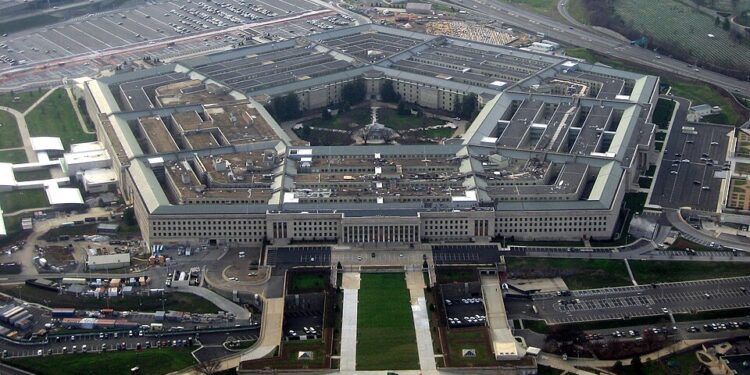
President Donald Trump’s Pentagon is facing renewed political scrutiny as lawmakers debate whether Congress should conduct a formal investigation into the Defense Department’s leadership, military decisions, and handling of the ongoing conflict with Iran.
The discussion comes at a particularly important moment for American national security. With military operations continuing overseas and significant federal resources committed to defense, questions about government accountability have become increasingly prominent in Washington.
Defense Secretary Pete Hegseth has remained a central figure in the administration’s national security strategy. President Trump has continued to support his leadership, even as political opponents and some lawmakers raise concerns about military oversight and decisions involving American forces.
Congress has an established constitutional responsibility to oversee federal agencies, review government spending, and examine matters involving national defense. Congressional committees have the authority to hold hearings, request documents, and question officials about their decisions.
Supporters of a formal investigation argue that greater transparency is necessary whenever the federal government commits substantial military resources. They believe lawmakers should have access to information about operational planning, military expenditures, and the potential consequences of major defense decisions.
Others question whether an extensive investigation would improve national security or simply create another partisan confrontation in Washington.
Some supporters of President Trump believe the Pentagon should be allowed to concentrate on protecting American troops, responding to international threats, and strengthening military readiness without becoming consumed by political disputes.
At the same time, congressional oversight is not necessarily a finding of wrongdoing. Investigations can examine whether policies are effective, whether taxpayer money is being spent responsibly, and whether existing laws and procedures are being followed.
For American taxpayers, the stakes are significant. Defense spending represents an important federal commitment, and decisions made by Pentagon leadership can affect military families, veterans, international relationships, and the nation’s long-term security.
The debate is also unfolding as Democrats prepare to take control of Congress in January 2027, potentially creating new opportunities for hearings and inquiries into the administration’s defense policies.
Ultimately, Americans must consider whether additional congressional scrutiny would strengthen accountability or distract military leaders from their responsibilities.