
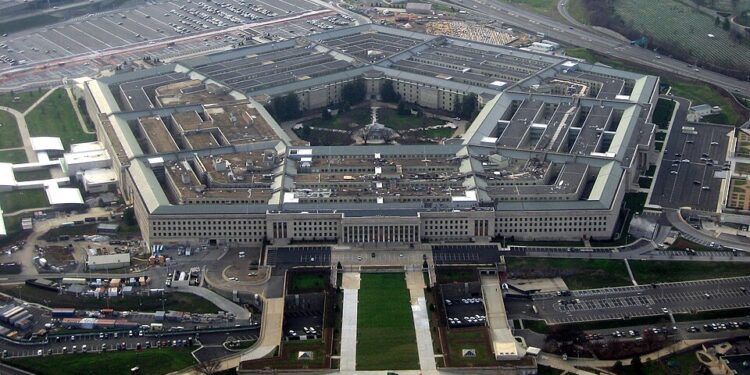
President Donald Trump’s Pentagon is facing serious new questions after a federal watchdog exposed major weaknesses in America’s military weapons supply system, raising concerns about national security, military readiness, and the management of taxpayer dollars.
A report released Thursday by the Government Accountability Office (GAO) revealed that the Pentagon lacks a comprehensive strategy for addressing persistent shortages of critical military ammunition and weapons.
The findings come as the United States faces growing international security challenges and mounting pressure to maintain its military superiority.
According to investigators, the Defense Department has struggled to coordinate weapons production, track military inventories, and establish clear leadership responsibilities.
The report raises troubling questions about whether America’s armed forces are adequately prepared for future military emergencies.
Pentagon Watchdog Exposes Troubling Military Shortages
The November 19 report found that the Defense Department has experienced ongoing shortages of essential military munitions, including weapons needed to support combat operations.
These shortages have become particularly concerning following the 2026 conflict with Iran, which intensified pressure on America’s military stockpiles and defense manufacturing capabilities.
Although Pentagon officials have taken steps to increase weapons production, investigators determined that those efforts lack a unified, department-wide strategy.
Without such a plan, individual military branches may respond to immediate international developments rather than following coordinated long-term military requirements.
That approach could create additional problems when military commanders need reliable access to weapons during a national security emergency.
The GAO warned that the Pentagon cannot adequately determine whether its existing production initiatives are addressing the military’s overall needs.
Taxpayer-Funded Military Spending Comes Under Scrutiny
The investigation also highlighted concerns about how the Pentagon allocates resources to weapons manufacturing.
Federal officials have invested substantial amounts of money in strengthening America’s defense industrial base, but investigators found that production decisions are not always connected to the military’s total ammunition requirements.
This creates the possibility that certain weapons could be produced beyond projected needs while other critical shortages remain unresolved.
One example involves efforts to expand production of 155-millimeter artillery shells.
The Army has worked to increase manufacturing capacity for these weapons, particularly as military assistance to international partners has placed additional pressure on existing supplies.
However, the GAO found that production planning was not sufficiently tied to broader Defense Department requirements.
For Americans concerned about government spending, the findings highlight the importance of ensuring that military investments produce meaningful improvements in national defense.
Increasing defense funding alone cannot solve every problem if the Pentagon lacks effective planning and oversight.
Investigators Find Major Problems With Pentagon Leadership
Another significant finding involves the absence of clear leadership over military ammunition management.
According to the GAO, the Defense Department has not assigned a single office sufficient authority to oversee and coordinate efforts to improve weapons inventories across all military branches.
That responsibility has instead been divided among different organizations.
Military officials acknowledged that establishing stronger central leadership could improve accountability and coordination.
Without clear responsibility, investigators warned that Pentagon officials may struggle to monitor progress, resolve production challenges, and ensure that military stockpiles meet operational requirements.
The findings raise an important national security question: Who is ultimately accountable for making sure America’s military has the weapons it needs?
For an institution responsible for protecting the United States, establishing clear lines of authority is essential.
Military Weapons Tracking System Raises Fresh Concerns
The investigation uncovered additional weaknesses involving the Pentagon’s ability to monitor existing weapons supplies.
Although the Defense Department maintains a system designed to track ammunition inventories across the armed forces, investigators found problems with how information is collected and verified.
Specifically, the Pentagon has not established consistent procedures for reconciling department-wide inventory information with records maintained by individual military services.
This could make it more difficult for senior officials to determine whether the military has sufficient supplies available.
Accurate inventory information is critical when military leaders must make decisions about defense spending, weapons procurement, and operational readiness.
Even small errors in tracking systems can complicate efforts to identify shortages or determine where additional resources are needed.
The GAO recommended improving inventory verification procedures and establishing stronger standards for managing weapons data.
Trump Administration Faces Calls For Pentagon Reforms
The findings place additional pressure on the Trump administration to address longstanding problems within the military’s weapons supply system.
However, the report makes clear that these challenges existed before the current investigation.
Defense officials acknowledged shortages of several important munitions during congressional testimony in 2025.
The latest findings suggest that previous efforts to improve weapons availability have not fully resolved the underlying management problems.
To address the weaknesses, the GAO issued four recommendations calling for stronger planning, clearer leadership, more reliable inventory procedures, and improved data management.
The Defense Department generally agreed with the recommendations, although implementation remains an important next step.
The report did not conclude that President Trump personally caused the shortages or identify criminal misconduct.
Instead, it exposed institutional weaknesses that Pentagon leadership must address to improve military preparedness.
America’s National Security Could Depend On What Happens Next
The investigation arrives at a critical moment for American military readiness.
Maintaining sufficient supplies of missiles, artillery ammunition, bombs, and other essential weapons is fundamental to defending the country and supporting U.S. troops.
National security experts have long emphasized that military strength depends not only on advanced technology and well-trained personnel but also on the ability to manufacture and replenish critical equipment.
The latest government findings demonstrate that effective military planning and responsible federal spending are equally important.
For American taxpayers, the controversy also highlights the need for stronger government accountability.
Billions of dollars in defense investments must be accompanied by reliable oversight, clearly defined objectives, and measurable results.
As the Trump administration works to strengthen the nation’s defense capabilities, correcting the problems identified by federal investigators will likely remain an important priority.
The biggest question now is whether Pentagon leaders can address these military supply failures before another major international crisis puts America’s national security to the test.