
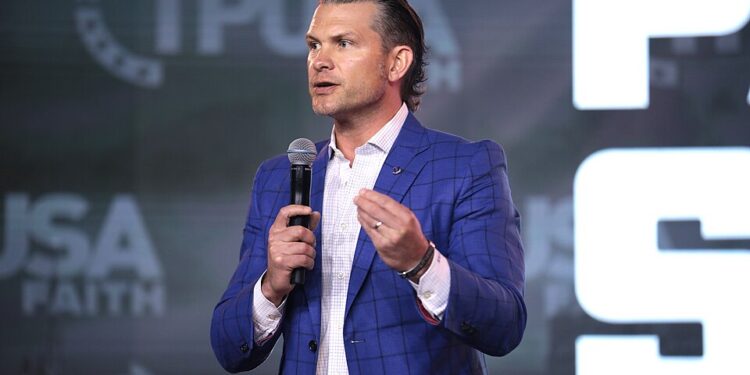
Defense Secretary Pete Hegseth is facing serious accusations from government officials who claim he gave President Donald Trump an overly optimistic picture of the war with Iran, potentially downplaying major military risks while exaggerating American battlefield successes.
The allegations have raised new questions about the information reaching the White House and whether the president received an accurate assessment of Iran’s military capabilities during critical decisions involving U.S. forces.
However, the Pentagon is strongly defending Hegseth, rejecting suggestions that he misrepresented the conflict or withheld important information from Trump.
Officials Raise Concerns About Hegseth’s Iran War Briefings
According to a November 20 investigation published by Vanity Fair and highlighted by Mediaite, several current and former officials accused Hegseth of presenting the Iran conflict in an unusually favorable light.
The officials alleged that the defense secretary repeatedly emphasized potential military victories while minimizing the challenges American forces could encounter.
One former official described Hegseth’s early assessments as exceptionally optimistic, suggesting he appeared confident about the outcome before military operations were fully evaluated.
Another administration official claimed Hegseth and U.S. Central Command Commander Admiral Brad Cooper presented projections suggesting American military objectives could be accomplished within approximately two to three weeks.
Those expectations reportedly influenced the administration’s early understanding of how long the conflict might last.
But as fighting continued beyond the initially anticipated timeline, some officials began questioning whether the president had received a sufficiently realistic assessment.
These allegations remain disputed, and the officials’ accounts do not independently establish that Hegseth intentionally misled Trump.
Military Videos Spark Additional Controversy
A particularly striking allegation involves how Hegseth reportedly presented military accomplishments to the president.
According to officials cited in the investigation, the defense secretary regularly highlighted footage showing successful American strikes against Iranian military targets.
The presentations reportedly included attacks on missile launchers, Iranian naval vessels, and military aircraft.
One official characterized the presentations as “hype videos,” suggesting they emphasized impressive military footage without fully explaining Iran’s remaining ability to conduct operations.
The official also alleged that Hegseth conveyed an assessment suggesting that most of Iran’s missile capabilities and air force had been destroyed.
However, according to that account, U.S. intelligence assessments indicated that substantial Iranian missile capabilities remained operational after the major combat phase.
If accurate, those competing assessments would raise important questions about how military intelligence was interpreted and communicated to the president.
Successfully destroying enemy equipment does not necessarily mean an opposing military has lost its ability to continue fighting.
That distinction can significantly influence decisions about American troop deployments, military spending, and the duration of overseas operations.
Pentagon Issues Strong Defense of Hegseth
The Pentagon has pushed back against the accusations and insists Hegseth has consistently provided President Trump with reliable information.
Chief Pentagon spokesman Sean Parnell defended the defense secretary’s handling of presidential briefings, stating that military leadership provides Trump with a “complete, unvarnished picture” of developments affecting America’s national security.
Parnell also emphasized that Hegseth and Vice President JD Vance maintain a productive working relationship based on mutual respect and shared objectives.
The Pentagon’s response challenges the central allegation that Trump has been receiving an incomplete or excessively favorable assessment of the conflict.
The Defense Department maintains that its leadership provides the president with the information needed to make decisions about American security and military operations.
For Hegseth, the controversy represents another significant test of his leadership as defense secretary.
Iran Conflict Adds Pressure After Midterm Elections
The allegations arrive as Republicans continue examining the political consequences of the 2026 midterm elections.
The Iran war has become an increasingly contentious issue in Washington, particularly as Americans debate the costs, objectives, and long-term consequences of continued military involvement.
Vice President Vance and other Republican figures have connected dissatisfaction with the conflict to the party’s disappointing midterm results.
The latest controversy also highlights a broader challenge facing the Trump administration: maintaining public confidence in America’s military strategy while responding to concerns about the duration and effectiveness of operations overseas.
For many Americans, the central concerns involve protecting U.S. service members, preventing unnecessary military commitments, and ensuring taxpayer resources are used responsibly.
Those questions become especially important when disagreements emerge over the accuracy of intelligence assessments presented to senior government officials.
Trump’s Relationship With Hegseth Faces New Scrutiny
Despite the allegations, Trump has maintained his support for Hegseth, according to the reporting.
That relationship remains significant because the defense secretary plays a central role in shaping American military policy and advising the commander in chief.
Presidents routinely depend on senior defense officials to explain military capabilities, identify potential dangers, and evaluate whether strategic objectives are achievable.
Those responsibilities become particularly consequential during an active conflict involving a country such as Iran.
An accurate assessment must account for both American military successes and the capabilities an adversary retains.
At the same time, disagreements among government officials do not automatically mean wrongdoing occurred.
Military operations frequently involve uncertain intelligence, changing battlefield conditions, and competing assessments of potential outcomes.
The key question is whether those uncertainties were clearly communicated to the president before important decisions were made.
What Happens Next for Hegseth and the Trump Administration?
The allegations surrounding Hegseth have renewed attention on the administration’s handling of the Iran war, but important questions remain unanswered.
The reporting relies on accounts from officials familiar with the situation, while the Pentagon firmly disputes the suggestion that Hegseth provided misleading briefings.
No public finding cited in the report establishes that the defense secretary deliberately deceived President Trump.
Nevertheless, the controversy could increase scrutiny of the Pentagon’s decision-making process and the administration’s broader military strategy.
Trump has repeatedly emphasized American military strength and the importance of protecting U.S. national security interests.
As the administration evaluates its next steps concerning Iran, accurate intelligence and reliable advice will remain essential.
Ultimately, the issue is not simply whether American forces have achieved battlefield victories. It is whether President Trump has received a complete understanding of the risks, costs, and potential consequences of the military decisions being made in Washington.
With the Pentagon defending Hegseth and officials continuing to question his assessments, the controversy is likely to remain part of the national debate over America’s involvement in Iran.