

Yes
I do.
No
I don’t.
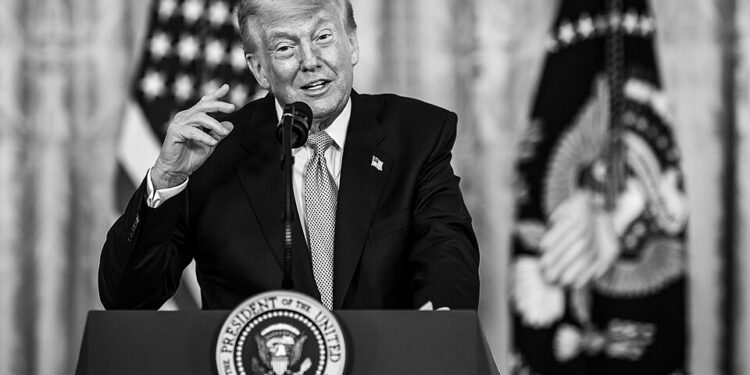
The debate over how much American workers should earn is gaining attention in Washington as Democrats push for a significant increase in the federal minimum wage. Some Democratic lawmakers are supporting proposals that would eventually raise the minimum wage to $25 per hour, putting the issue before President Donald Trump and Congress.
For millions of Americans, the cost of everyday necessities remains an important concern. Groceries, housing, transportation, healthcare, and utility bills can take up a substantial portion of a family’s monthly income. Supporters of a higher minimum wage argue that workers employed full-time should be able to afford basic living expenses without constantly struggling to make ends meet.
The federal minimum wage currently stands at $7.25 per hour, although numerous states and cities have established higher requirements. Supporters of the $25 proposal believe the existing federal rate no longer reflects the financial realities facing many American households.
However, the proposal also raises questions about its potential impact on businesses and the broader economy. Critics warn that requiring employers to pay significantly higher wages could create financial difficulties for small businesses, restaurants, retailers, and other employers operating on tight budgets.
Some business owners might respond by increasing prices, reducing employee hours, delaying hiring, or investing more heavily in automation. Others argue that better wages could improve employee retention, increase consumer spending, and help businesses attract dependable workers.
President Trump faces a complicated policy question as lawmakers debate the appropriate federal role in determining wages. While some Americans believe Washington should establish a stronger national wage standard, others prefer allowing individual states and businesses to make decisions based on local economic conditions.
There is also disagreement about whether a $25 minimum wage would be appropriate nationwide, considering the considerable differences in living expenses between major metropolitan areas and smaller rural communities.
With Americans continuing to focus on affordability, employment opportunities, and economic stability, the debate could remain a prominent issue in national politics.