
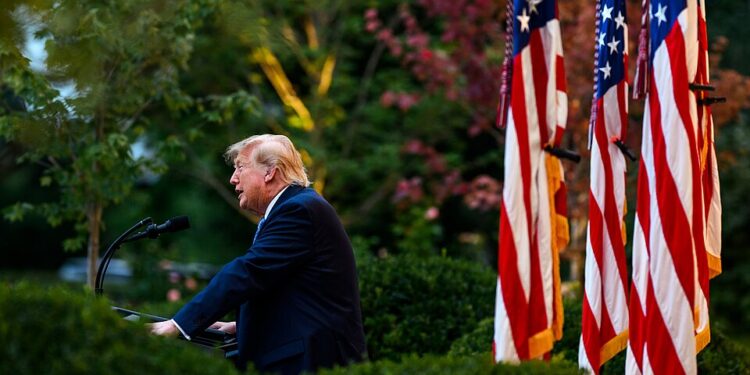
President Donald Trump is facing sharp criticism from fellow Republicans after making a controversial decision involving Russia, economic sanctions, and the ongoing war in Ukraine.
The dispute erupted after Trump signed an executive order suspending sweeping new sanctions against Russia, despite previously approving legislation designed to increase pressure on Russian President Vladimir Putin.
Republican lawmakers are now questioning whether the White House is making a serious foreign policy mistake, with one GOP senator calling the decision “beyond irresponsible.”
The growing disagreement has sparked a debate in Washington about American national security, energy prices, and Trump’s strategy for ending the conflict in Ukraine.
Republican Senator Turns Against Trump’s Decision
Republican Sen. Thom Tillis of North Carolina delivered one of the strongest criticisms of Trump’s decision, arguing that the administration should enforce the sanctions approved by Congress.
The legislation passed the Senate by an overwhelming 86-11 vote, reflecting unusually broad bipartisan agreement on confronting Russia’s actions in Ukraine.
Tillis questioned why the White House would suspend measures that had received such significant congressional support.
He also accused the administration of making concessions to Putin rather than maintaining pressure on Moscow.
The criticism was particularly notable because it came from a member of Trump’s own party.
Republican Sen. John Cornyn of Texas also expressed disappointment, suggesting that the late Sen. Lindsey Graham, who championed the sanctions legislation, would have strongly opposed the decision.
The public criticism demonstrates the growing differences among Republicans over how the United States should approach Russia.
Trump Suspends Major Russia Sanctions
On October 16, Trump signed an executive order waiving major provisions of the Lindsey O. Graham Sanctioning Russia and Iran Act of 2026.
The legislation, which Trump signed into law in September, was designed to increase economic pressure on Russia and countries purchasing Russian energy products.
The measures included financial restrictions targeting Russian interests and substantial tariffs aimed at discouraging international purchases of Russian oil and natural gas.
However, just before the new penalties were scheduled to take effect, Trump decided to suspend their implementation.
The president explained that exercising the waiver authority was in the national interests of the United States.
The legislation specifically allows presidential waivers under certain conditions, meaning Trump exercised authority included in the law itself.
Existing sanctions imposed through earlier measures remain in place.
Nevertheless, critics argue that withholding the additional penalties could reduce America’s economic leverage over Russia.
White House Faces Questions About Energy Prices
The sanctions decision comes as Americans continue dealing with concerns about fuel prices and household expenses.
Earlier in October, Trump announced an agreement involving Russian diesel supplies, presenting the arrangement as part of an effort to improve global energy availability and reduce costs.
Energy affordability remains a major issue for American families, particularly those managing fixed budgets or retirement income.
When diesel prices increase, transportation and shipping expenses can rise, potentially affecting the prices consumers pay for groceries and other essential products.
Increasing global fuel supplies could theoretically help ease some of those pressures.
However, whether the administration’s arrangement with Russia will produce meaningful savings remains uncertain.
Critics also argue that additional Russian energy revenue could undermine efforts to pressure Moscow into negotiating an end to the war.
For the White House, the challenge is balancing economic concerns at home with the international consequences of changing sanctions policy.
Ukraine Warns About Trump’s Russia Strategy
Ukrainian President Volodymyr Zelenskyy has also criticized the sanctions waiver, warning that reducing pressure on Russia could encourage Putin to continue military operations.
Ukraine has consistently supported stronger financial restrictions against Moscow, arguing that sanctions can limit resources available for Russia’s military campaign.
The disagreement comes as Ukrainian communities face continued threats to important infrastructure, including facilities needed to provide electricity and heat.
Supporters of tougher sanctions believe economic pressure remains essential to securing a negotiated settlement.
Others argue that diplomacy sometimes requires flexibility, particularly when economic restrictions affect global energy supplies and international trade.
Trump has repeatedly emphasized his desire to negotiate an end to the conflict.
However, critics are questioning whether suspending new sanctions strengthens America’s negotiating position or gives Russia additional advantages.
Congress Could Challenge Trump’s Decision
The controversy has created an unusual situation in Washington, with Republican and Democratic lawmakers criticizing the same presidential action.
Senate Democratic leader Chuck Schumer condemned the waiver, while other lawmakers called for Congress to defend the sanctions package it had approved.
Still, reversing the administration’s decision could prove difficult.
Congress is currently away from Washington ahead of the November 3 midterm elections, limiting the possibility of an immediate legislative response.
Lawmakers could revisit the issue after returning to Capitol Hill.
Meanwhile, Trump retains significant authority over sanctions implementation under the legislation.
The administration will likely face continued questions about what conditions could lead to the suspended penalties being reinstated.
What This Means For Trump And Republicans
The controversy highlights an important foreign policy disagreement within the Republican Party.
Some lawmakers believe Washington should maintain maximum economic pressure on Russia until meaningful progress is made toward ending the war.
Others emphasize the importance of protecting American economic interests, maintaining diplomatic options, and avoiding policies that could increase energy costs.
Both concerns are likely to remain prominent as the country approaches the midterm elections.
For Trump, the decision presents a political challenge as he works to defend his foreign policy agenda while facing criticism from Republicans who supported tougher sanctions.
The larger question is whether the president’s strategy will deliver diplomatic progress, lower energy costs, or create additional disagreements with Congress.
For now, the sanctions waiver has placed Trump in the middle of a growing debate over how America should deal with Russia.
And with several prominent Republicans openly challenging the decision, the political consequences could extend well beyond this latest controversy.