
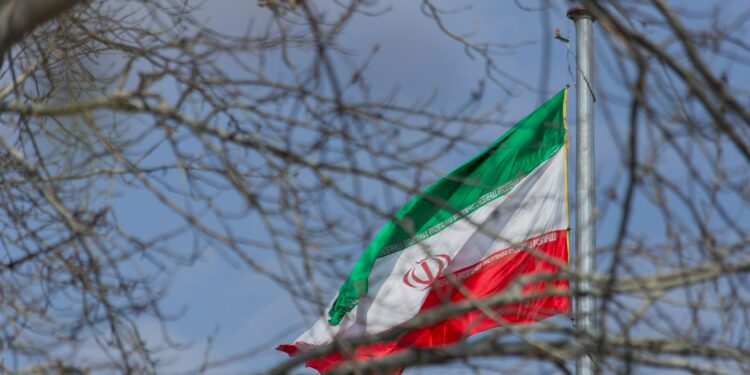
Just when it appeared tensions in the Middle East couldn’t get any higher, an Iranian-backed terror group has made a move that could create new headaches for President Donald Trump and threaten one of the world’s most important shipping routes.
The Iran-backed Houthis announced this week that Israeli-linked ships are no longer welcome in the Red Sea, raising fears that another major trade corridor could be thrown into chaos.
The threat comes at a critical moment as instability continues to spread across the region and global markets remain on edge.
Iran’s Latest Challenge
Houthi leaders declared that Israeli-owned vessels operating in the Red Sea would be considered legitimate targets.
The warning immediately drew condemnation from the Trump administration, which accused Iran and its proxy forces of fueling instability throughout the Middle East.
A State Department spokesperson said the United States remains committed to protecting freedom of navigation and preventing disruptions to global commerce.
The concern is not just military.
The Red Sea has become one of the most important shipping lanes in the world. If attacks increase, experts warn the consequences could ripple through energy markets, supply chains, and consumer prices.
Why Americans Should Care
Many Americans may wonder why a conflict thousands of miles away matters.
The answer is simple.
When major shipping routes are threatened, the effects can eventually reach American wallets.
Oil shipments, commercial goods, and international trade all depend on safe passage through strategic waterways. Any disruption can increase costs and create uncertainty across global markets.
That is why Washington is closely monitoring the situation.
Experts Warn The Situation Could Escalate
Security analysts say the Houthis may be attempting to pressure both the United States and Israel while taking advantage of growing uncertainty in the region.
Some experts believe the threats are designed to test Trump’s resolve while creating anxiety in financial markets.
If the Houthis follow through and launch a broader campaign against commercial shipping, the response could be swift.
Military strikes against Houthi positions in Yemen could quickly return to the table.
Such a scenario would risk expanding an already dangerous conflict.
The Surprising Country Now In The Spotlight
While attention remains focused on Iran and Yemen, another nation is quietly becoming a major player in the region.
That country is Ethiopia.
With a population of roughly 130 million people, Ethiopia is one of Africa’s most influential nations and serves as a key partner in counterterrorism efforts.
Security experts say Ethiopia acts as a buffer against extremist groups operating throughout East Africa.
Its stability helps prevent terrorist organizations and regional conflicts from spreading further across the continent.
Walking A Diplomatic Tightrope
Ethiopia maintains strong ties with the United States, particularly on security issues.
At the same time, it has also kept diplomatic channels open with Iran.
Some analysts argue the country is carefully balancing relationships with competing powers in order to protect its own national interests.
Others see Ethiopia as an increasingly important ally for the United States as tensions rise across the Red Sea region.
What Happens Next?
The bigger question is whether Iran’s allies are merely issuing threats or preparing for more aggressive action.
If attacks on commercial shipping increase, pressure will grow on President Trump to respond.
The administration has already made clear that it views freedom of navigation as a core national security interest.
For now, global markets, military planners, and world leaders are watching closely.
What happens in the Red Sea over the coming weeks could have consequences far beyond the Middle East—and could become another major test for Trump’s foreign policy agenda.