
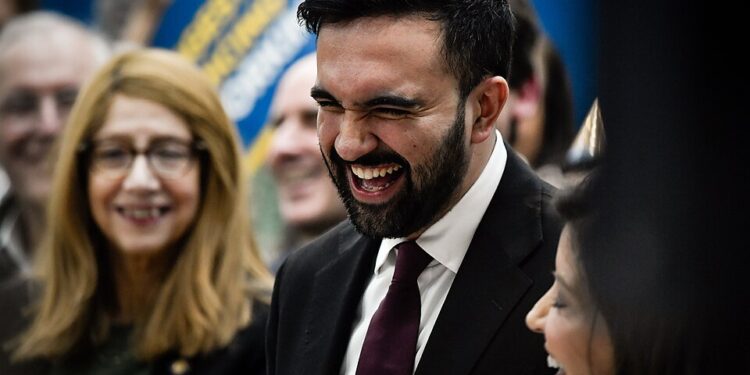
New York City Mayor Zohran Mamdani is once again clashing with President Donald Trump’s administration, this time over immigration enforcement and the future of sanctuary city policies.
The latest dispute began after Homeland Security Secretary Markwayne Mullin suggested the federal government could take stronger action against cities that refuse to cooperate with immigration authorities.
According to Mullin, the Department of Homeland Security is exploring options that could impact how international flights are processed in major sanctuary cities if local leaders continue blocking federal immigration enforcement efforts.
The proposal immediately sparked controversy because New York City is home to one of the busiest international travel hubs in the world. Any federal action affecting international air travel would have significant economic and political consequences.
Mamdani wasted little time responding.
During a television interview, the New York mayor made it clear that his administration has no intention of backing away from its sanctuary city policies, despite growing pressure from Washington.
Mamdani argued that New York’s immigration policies reflect the city’s values and are intended to protect immigrant communities. He insisted that local officials would not be intimidated into changing course.
The dispute highlights a growing national battle over border security, illegal immigration, and the role local governments should play in enforcing federal law.
President Trump returned to office promising the strongest immigration crackdown in modern American history. His administration has focused heavily on securing the southern border, increasing deportations, and expanding cooperation between federal agencies and local law enforcement.
Supporters of the president argue that sanctuary city policies undermine federal law and create incentives for illegal immigration. They contend that local governments should work alongside federal authorities to remove criminal illegal immigrants and strengthen public safety.
Critics of sanctuary cities also point to the enormous financial burden many cities have faced in recent years as migrant populations have increased. Housing, healthcare, education, and public assistance programs have all come under additional strain in many communities across the country.
Mamdani, however, continues to defend New York’s sanctuary city status.
The mayor criticized Immigration and Customs Enforcement (ICE), claiming the agency’s actions are harmful and ineffective. He argued that aggressive immigration enforcement creates fear among immigrant communities and does not improve public safety.
The comments place Mamdani directly at odds with the Trump administration, which has repeatedly argued that stronger immigration enforcement is essential to protecting American communities and restoring order at the border.
The disagreement also reflects a broader political divide that continues to shape national debate. While Republican leaders largely support tougher immigration measures, many Democratic officials have remained committed to sanctuary city policies and other protections for migrants.
As the administration continues expanding its immigration agenda, confrontations between federal officials and sanctuary city leaders are expected to intensify.
For President Trump, immigration remains one of the defining issues of his presidency and one of the policies that helped fuel his political comeback. For leaders like Mamdani, resisting those policies has become a central part of their political identity.
With both sides showing little willingness to compromise, the battle over sanctuary cities, border security, and federal immigration enforcement appears far from over.
One thing is becoming increasingly clear: the fight between the Trump administration and sanctuary city leaders is no longer just about immigration policy. It has become a larger debate about federal authority, public safety, taxpayer resources, and the future direction of the country itself.