

Yes
We are.
No
We aren’t.
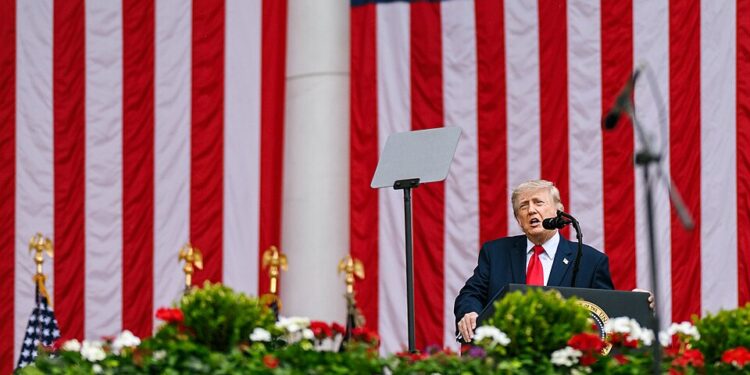
Since returning to the White House, President Donald Trump has promoted policies that he says are expanding individual freedom, reducing government regulation, strengthening border security, and giving states and local communities greater authority over many issues. Supporters argue these policies have increased economic opportunity, protected constitutional rights, reduced federal bureaucracy, and allowed Americans to make more decisions without government interference.
Opponents disagree, arguing that some administration actions involving immigration, federal oversight, executive authority, and other policy areas have raised concerns about civil liberties and individual rights. They contend that different Americans may experience these changes differently depending on the issues that matter most to them.
Political analysts note that perceptions of freedom often depend on personal priorities. For some voters, economic freedom, lower taxes, and reduced regulation are the most important measures. Others place greater emphasis on voting access, reproductive rights, privacy, or other civil liberties. As a result, Americans often reach different conclusions when evaluating whether the country has become more or less free under any president.
With the midterm elections approaching, questions about freedom, government power, and constitutional rights are expected to remain central campaign issues across the nation.