

Yes
It is.
No
It isn’t.
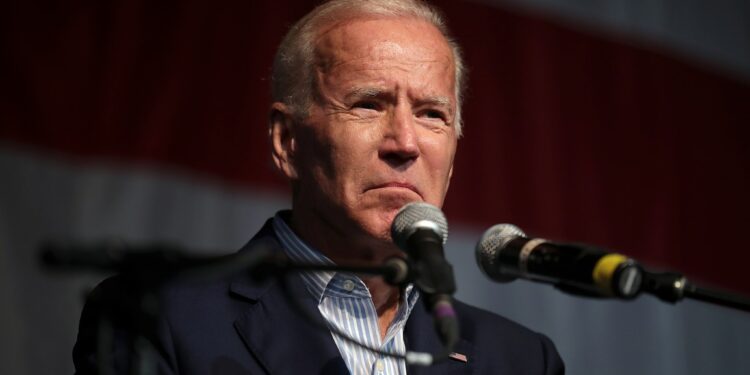
A federal appeals court has temporarily blocked the release of audio recordings from former President Joe Biden’s interviews with his ghostwriter, renewing a national debate over government transparency, presidential privacy and equal treatment under the law.
The recordings became a subject of public interest because they were connected to Special Counsel Robert Hur’s investigation into Biden’s handling of classified documents. Although the investigation did not result in criminal charges against Biden, Hur’s report generated significant political controversy over the former president’s memory, conduct and ability to recall important events.
A lower court previously rejected Biden’s effort to stop the recordings from being released. However, the federal appeals court issued a temporary order preventing the Justice Department from turning them over while judges consider Biden’s request for longer-lasting protection during the appeals process.
Those who support releasing the tapes argue that the public deserves to hear the interviews directly. They believe written transcripts cannot fully communicate a speaker’s tone, pauses, confusion or certainty. Because Biden was serving as president when many questions about his health and mental sharpness became matters of national concern, supporters of disclosure say the recordings could help Americans judge whether officials and the media accurately represented his condition.
Critics of releasing them argue that interview recordings may contain personal information, private conversations or sensitive details that should not be distributed for political entertainment. They may also worry that releasing presidential interview audio could discourage future officials from cooperating openly with investigators, historians or biographers.
The legal issue is not necessarily a final judgment on whether the public should hear the tapes. A temporary court order is often intended to preserve the current situation until judges can fully review the arguments. Once information is released, however, it cannot realistically be made private again.
The controversy also raises questions about consistency. Many Americans believe both Republican and Democratic leaders should face the same transparency standards. Others contend that every records dispute must be evaluated according to the law, regardless of public curiosity or political pressure.
The court must now balance the former president’s legal claims against the public’s interest in understanding an investigation that received nationwide attention.