

Yes
I do.
No
I don’t.
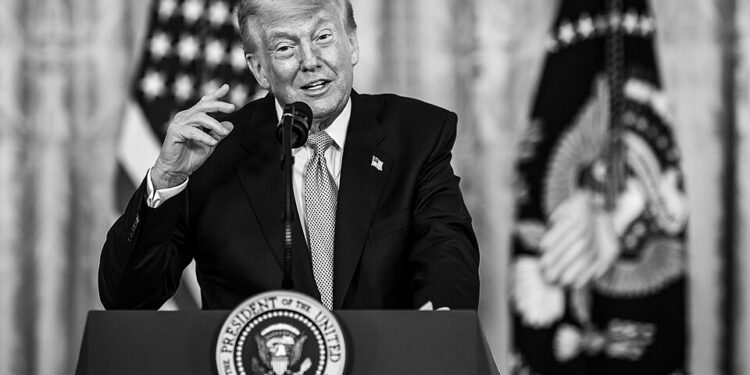
Following the 2026 midterm elections, Washington is entering a new political chapter as President Donald Trump prepares to work with a Congress controlled by Democrats. With the balance of power shifting on Capitol Hill, questions are emerging about whether the two major parties can put their disagreements aside and deliver meaningful results for the American people.
Democrats secured major victories in the November elections, winning control of both the House of Representatives and the Senate. Their success gives them greater influence over federal legislation, government spending, and congressional oversight. However, President Trump remains in the White House, meaning both parties will need to negotiate if they hope to pass major legislation.
Trump has expressed a willingness to work with Democrats following their election victories. Democratic leaders, meanwhile, have emphasized issues such as lowering everyday costs, improving affordability, and holding the administration accountable.
That leaves Americans wondering how much cooperation will actually take place.
Throughout his political career, Trump has frequently clashed with Democratic lawmakers over immigration enforcement, federal spending, economic policy, and the direction of the country. Those disagreements have sometimes resulted in prolonged negotiations and political gridlock.
Now, with Democrats preparing to assume control of Congress in January 2027, both sides face pressure to demonstrate that Washington can still function despite significant political differences.
For millions of Americans, the most pressing concerns remain familiar: grocery prices, housing expenses, energy bills, retirement security, and the overall cost of living. Addressing these challenges could require compromises between the president and congressional leaders.
Some Americans believe the election results could encourage greater cooperation, particularly on legislation that benefits working families and retirees. Others remain doubtful that the parties can overcome their disagreements after years of bitter political battles.
The coming months will provide an important test of whether promises of cooperation can translate into actual legislation.
Ultimately, voters will judge both parties by their actions rather than their statements.