

Yes
I do.
No
I don’t.
One of President Donald Trump’s most prominent former congressional allies is now openly questioning the future of the political movement that helped transform the Republican Party.
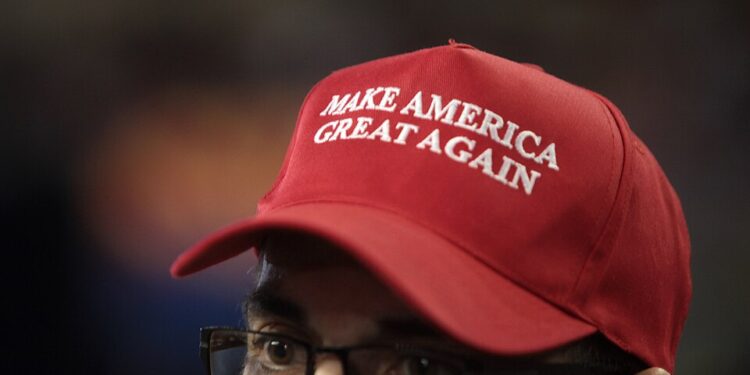
Former Georgia Rep. Marjorie Taylor Greene, once among Trump’s most outspoken supporters in Congress, declared during an appearance at the Texas Tribune Festival that she believes “MAGA is dead.” Greene’s comments represent a dramatic change from her years as one of the most recognizable defenders of Trump and the Make America Great Again movement.
Greene left Congress earlier in 2026 after her relationship with Trump deteriorated following a series of public disagreements. She has since described herself as politically homeless while continuing to say she supports what she considers the principles of an “America First” agenda. At the Texas Tribune event, Greene distinguished those policy ideas from the broader MAGA political coalition.
Her comments arrive at an important moment for Republicans.
Trump remains president and continues to play a central role in Republican politics heading toward the 2026 midterm elections. At the same time, there are signs of disagreements within parts of the conservative coalition over foreign policy, the economy, fuel prices and the future direction of the Republican Party.
For example, some Republican candidates have recently criticized or distanced themselves from parts of the administration’s Iran policy as voters express frustration over rising fuel costs. Conservative media discussions have also evolved, with a Wall Street Journal analysis finding that mentions of Trump across a large sample of MAGA-aligned podcasts have declined from their 2024 peak. Neither development by itself proves the movement has ended, but both illustrate an ongoing debate about its direction.
Greene’s declaration therefore raises a larger question: What exactly defines MAGA?
Some Americans view MAGA primarily as a movement personally centered on Trump. Others see it as a broader collection of policies involving immigration, trade, foreign policy, energy, government spending and cultural issues that could continue beyond any single politician.
Whether Greene’s assessment reflects a lasting transformation or simply one former ally’s break with Trump remains a matter for voters and supporters of the movement to decide.