

Yes
They are.
No
They aren’t.
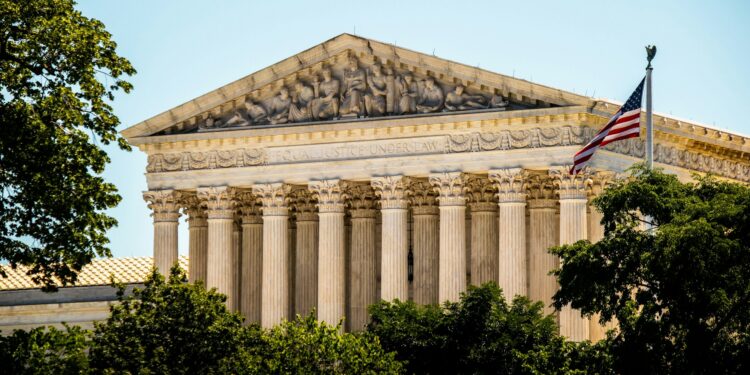
The U.S. Supreme Court has found itself at the center of numerous high-profile legal disputes involving President Donald Trump, leading to renewed debate about judicial independence and the role of the nation’s highest court.
Supporters of the Court argue that Supreme Court justices are obligated to interpret the Constitution and federal law regardless of political pressure. They point out that the Court has issued rulings both favorable and unfavorable to Trump over the years, suggesting that decisions are based on legal reasoning rather than partisan loyalty.
Critics, however, argue that the Court’s current makeup has shifted the judiciary in a more conservative direction. Some point to decisions involving executive authority, administrative agencies, election law, and other major issues as evidence that the Court may be more sympathetic to Trump’s policy agenda.
Others reject that characterization and argue that accusations of bias often emerge whenever the Court issues controversial rulings. They contend that disagreement with a decision does not necessarily prove political favoritism and that judicial independence remains a cornerstone of the American legal system.
The debate extends beyond Trump himself. Questions about public trust in the judiciary, judicial appointments, constitutional interpretation, and the separation of powers continue to shape national conversations about the Court’s role in American government.
As Americans evaluate the Court’s recent decisions, opinions remain sharply divided. Some see a judiciary faithfully applying the law, while others believe political considerations increasingly influence major rulings.