

Yes
I do.
No
I don’t.
President Donald Trump’s plans involving a new White House ballroom have sparked another debate over presidential authority, historic preservation, government oversight, and changes to one of America’s most recognizable landmarks.
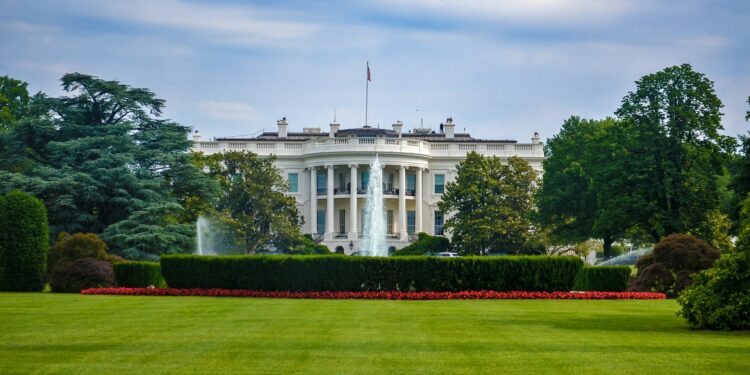
The White House is more than the president’s residence. It is a working government building, a historic property, a symbol of the presidency, and the setting for state dinners, diplomatic meetings, ceremonies, receptions, and other major national events.
That unique role is one reason changes to the White House can generate intense public attention.
Critics of Trump’s ballroom project have raised questions about whether a president should be able to make a substantial alteration to the White House complex without additional reviews or restrictions. Preservation advocates have also focused on the historical significance of the property and the procedures that should apply when major construction is proposed.
Supporters of the project see the situation differently.
They argue that presidents have overseen changes and renovations to the White House throughout American history and that the executive mansion must continue adapting to the practical demands placed on a modern presidency. From security upgrades to renovations and improvements to spaces used for official events, the White House Americans recognize today is itself the product of generations of changes.
That leaves an important question about where presidential discretion ends and outside oversight begins.
Should the sitting president have broad authority to improve the White House complex, particularly when the project is intended to accommodate official functions? Or should historic-preservation concerns and independent review place tighter restrictions on what any president can change?
The disagreement has now become part of the larger political battle surrounding Trump’s presidency, and Americans are likely to have very different opinions about it.
We want to know where you stand.