

Yes
I do.
No
I don’t.
Americans are once again watching gasoline and energy prices closely after oil prices moved higher following renewed geopolitical tensions and concerns about global energy supplies. Rising crude oil prices often lead to higher costs at the gas pump, affecting household budgets, businesses, and the broader economy.
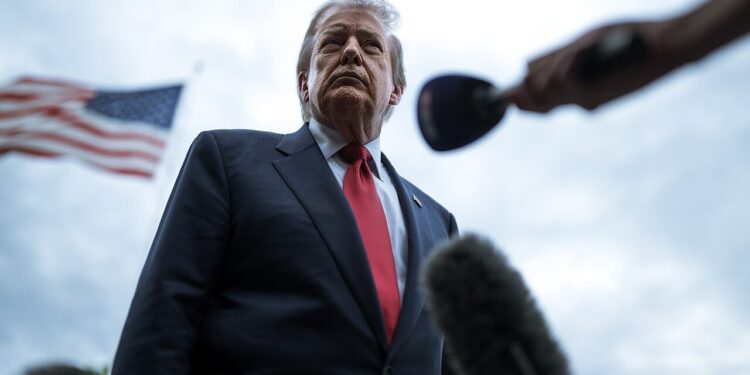
President Donald Trump has made lowering energy costs a key part of his economic agenda, emphasizing domestic energy production and policies designed to increase American oil and natural gas output. Supporters argue those policies can help reduce dependence on foreign energy and improve long-term price stability.
At the same time, economists note that oil prices are influenced by many factors beyond any single president’s control. Global supply and demand, decisions made by oil-producing nations, international conflicts, hurricanes, refinery capacity, seasonal demand, and financial markets all play important roles in determining fuel prices.
As prices fluctuate, political leaders from both parties often receive praise when costs fall and criticism when they rise. The debate over who deserves credit—or blame—for gasoline prices has remained a recurring issue in American politics for decades.
Consumers continue to monitor prices carefully as energy costs affect transportation, food prices, shipping expenses, and inflation throughout the economy.