

Yes
I do.
No
I don’t.
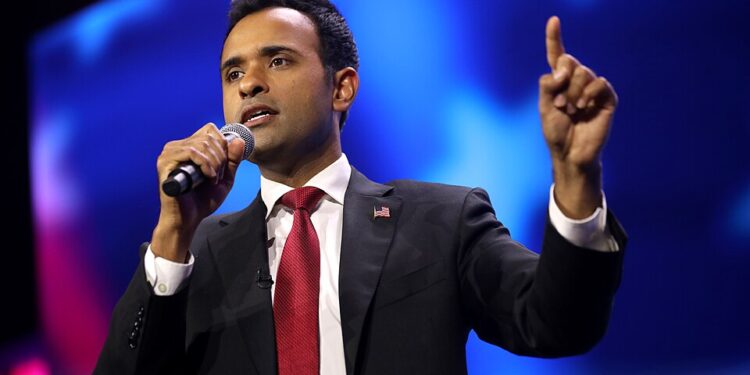
A growing controversy involving Republican gubernatorial candidate Vivek Ramaswamy has sparked an intense political debate, with prominent Republicans criticizing a campaign advertisement targeting his Democratic opponent in Ohio.
Ramaswamy, a well-known political figure and ally of President Donald Trump, is facing backlash over an advertisement produced by his campaign featuring the estranged mother of Democratic candidate Amy Acton.
The advertisement challenges Acton’s account of her difficult childhood and has drawn particular criticism because of her publicly discussed experiences involving childhood abuse. The controversy has raised questions about political advertising, campaign ethics, and whether candidates should involve deeply personal family experiences in election battles.
Several prominent Republican voices have criticized the advertisement, arguing that political campaigns should maintain certain boundaries when discussing an opponent’s personal history. Critics contend that using sensitive family circumstances in political messaging risks distracting voters from the policy issues that affect their everyday lives.
Others believe political candidates should face scrutiny regarding statements they make publicly, including personal accounts that become part of their political image. Ramaswamy’s campaign has defended its approach, while the controversy continues to attract attention across the political spectrum.
Vice President JD Vance has defended Ramaswamy amid the criticism, highlighting disagreements within the Republican Party about acceptable campaign tactics. President Trump’s political relationship with Ramaswamy has also added national significance to what might otherwise have remained a state-level election dispute.
The situation raises broader questions about the direction of American political campaigning. At a time when voters frequently express frustration with negative advertisements and personal attacks, disagreements over campaign conduct can become nearly as prominent as debates over public policy.
Ohio voters are also weighing important issues involving economic development, employment, education, government spending, and public safety. Some political observers question whether this controversy will influence how voters evaluate the candidates’ leadership and judgment.
Supporters of aggressive campaigning may see difficult questions as an unavoidable part of competitive elections. Critics believe candidates should focus primarily on policy differences, leadership experience, and their plans for governing.
With the election approaching, the disagreement has become another example of how campaign strategies can divide members of the same political party.