

Yes
They should.
No
They shouldn’t.
President Donald Trump’s use of executive authority has become one of the biggest constitutional debates in Washington, raising an important question about how much power any president should have when making decisions that affect the American people.
Since returning to the White House, Trump has relied on executive orders and other presidential actions to advance his administration’s priorities. From immigration enforcement and federal spending to government regulations and national security, his approach has renewed discussions about the constitutional limits of presidential authority.
Supporters of Trump’s leadership argue that Americans elected him to deliver results, not to become trapped in endless political disagreements. They believe the president needs sufficient authority to enforce federal laws, manage executive agencies, and fulfill the promises made during his campaign.
For these Americans, excessive judicial interference could prevent the federal government from addressing important national challenges.
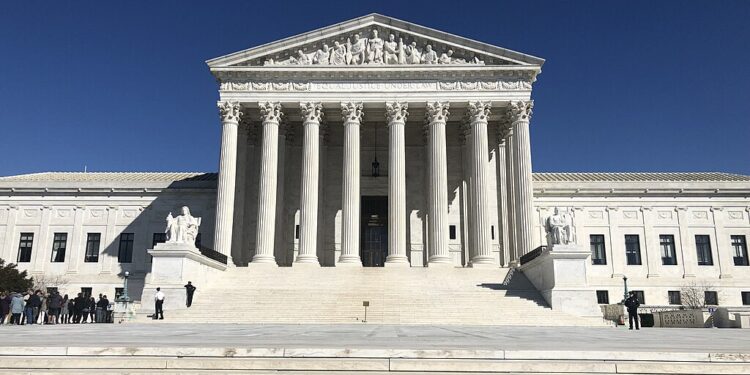
However, critics argue that presidential authority must always remain subject to constitutional checks and balances. They believe the Supreme Court has a responsibility to intervene when executive actions exceed the powers granted to the presidency.
The Supreme Court has already delivered decisions both supporting and limiting Trump’s authority. Its rulings demonstrate the continuing importance of the judicial branch in determining whether presidential actions comply with federal law and the Constitution.
The debate also raises questions about the responsibilities of Congress. Under America’s constitutional system, lawmakers control federal spending, write legislation, and exercise oversight of the executive branch.
Some constitutional experts emphasize that the issue extends beyond Trump himself. Decisions establishing the limits of presidential power could affect future administrations, regardless of which political party controls the White House.
Americans must therefore consider two important principles: allowing an elected president to govern effectively while protecting the constitutional separation of powers.
As additional legal challenges reach the nation’s highest court, the balance between executive authority and judicial oversight will remain a significant issue.
Now it’s your turn to weigh in. Should the Supreme Court place stronger limits on President Trump’s use of executive power, or should the president have greater flexibility to carry out his administration’s agenda?